Exploring a cave is like stepping into another world, isn’t it? The thrill of adventure, the echo of your steps, the cool air brushing against your skin. But let’s face it: without preparation, that awe can quickly spiral into panic.
Underground emergencies are no joke. Panic is the real enemy. Imagine this: you’re deep inside, and suddenly things go wrong.
Your heart races, mind blanks. That’s why a clear plan matters.
I’ve been there, guiding adventurers through the labyrinths below. The right survival skills cave emergencies make all the difference. I promise you, with the right knowledge, you can get through these challenges calmly.
This guide will walk you through simple yet effective techniques. You’ll learn to stay calm, in control, and ready for anything. Let’s conquer the depths confidently together.
The First 60 Seconds: STOP!
Ever been in a cave emergency? It’s all about the first 60 seconds. That’s when the STOP method kicks in.
S – Stop. I can’t stress enough how key it is to freeze. This isn’t just about stopping physically. It’s about halting the panic that floods your brain when things go south. Adrenaline’s a tricky beast. It clouds judgment. By stopping, you give yourself a chance to clear the fog.
T – Think. Now, take stock. Are you or anyone else hurt? What gear do you have? When did you last know your location? This is your mental inventory. It’s not just about survival skills cave emergencies demand; it’s about clarity.
O – Observe. Use your senses like never before. Hear that? It might be water or wind. Look around. Spot any shelters or threats? And your gear. Check it. But don’t move an inch.
P – Plan. Here’s where you piece it all together. Sometimes, the smartest plan is to stay put, conserve your energy, and signal for help. Speaking of help, knowing finding safe drinking water caves can be a lifesaver.
Pro tip: Practice this STOP method. The more you do, the better you become at handling the unexpected.
Survive and Thrive: Handle Cave Emergencies
Scenario 1: Total Light Failure
So, you’re in a cave and everything’s gone dark. First off, stop moving. Seriously, don’t take a step.
It’s not worth the risk of a twisted ankle. Then, talk to your group. If you’re alone, this might feel pointless, but it keeps you calm.
Now, get your backup light. This is why I always say three independent light sources are non-negotiable. You can thank me later.
Scenario 2: Getting Lost or Disoriented
Getting disoriented is spooky. But don’t panic and start wandering. That wastes energy and makes you a needle in a haystack.
The ‘stay put’ method is your friend. Use your whistle (three blasts). It’s the universal distress call.
Conserve your headlamp battery while you wait. Does anyone ever regret saving battery? Nope.
Scenario 3: Minor Injury (e.g., Sprained Ankle)
Injuries happen. Stabilize the injury first. If you’ve got a bandage or even a shirt, use it.
Assess the situation: can you hobble out with help, or is it safer to stay put? Sometimes, waiting for help is the smart move. You don’t want to cause more damage.
Think of it as a pause, not a defeat.
Survival skills in cave emergencies aren’t just for adventurers; they’re for anyone who wants to make it out in one piece. Be smart, stay calm, and act decisively.
Your Lifeline Kit: Gear for When Things Go Sideways
Ever found yourself in a damp cave and suddenly it’s like you’re in a fridge? Hypothermia sneaks up fast. That’s why I always pack a compact emergency space blanket.
Trust me, it’s small but mighty. And don’t forget a dry synthetic layer. A fleece in a dry bag is a lifesaver. (Literally.) Staying warm isn’t just cozy, it’s survival.
Now, when hunger strikes, energy bars are your best friend. They’re high-calorie, no-cook wonders. You need them for more than just filling your belly.
They fuel your brain and your spirit. Without them, you can’t think straight. In a cave, that’s a big no-no.
Keep your morale high and your body warmer with every bite.
But what if you get lost? That’s when a loud, pea-less whistle is a game-changer. It carries your SOS farther than your voice, saving your energy.
Pair it with a small, solid backup light for signaling. You want to be found, not forgotten.
All this gear ties back to avoiding those rookie errors. Speaking of which, take a look at the Top 10 Mistakes New Cave Trekkers. It’s a quick read that’s packed with useful tips.
Don’t let your adventure turn into an emergency. Master your survival skills (cave emergencies demand it).
Survive the Wait: Signals and Safety in a Cave
Ever been stuck in a cave? It’s not fun. But you can make it out if you know how to signal for help.
The universal distress signal is simple: three of anything. Three whistle blasts, three flashes of light, or even three stacked rocks. Easy to remember, right?
But don’t just signal aimlessly. Have a plan. Perform signals in intervals, like every 15-30 minutes.
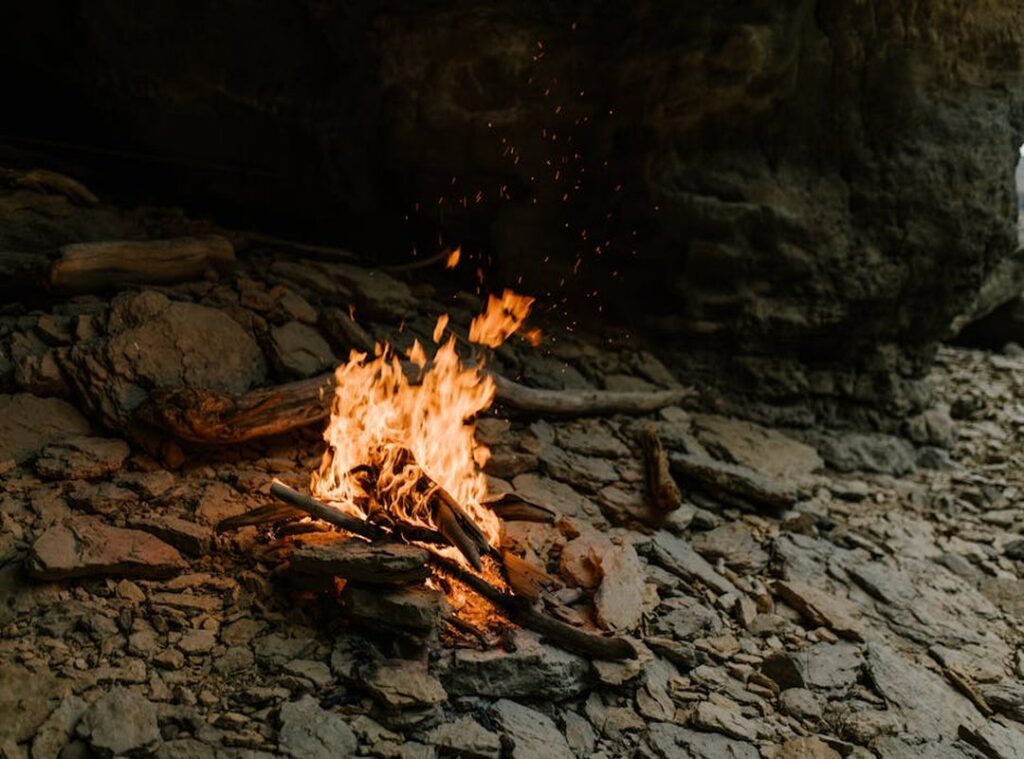
Now, let’s talk about making a safe base camp while you wait. First, find a spot that’s sheltered from dripping water or potential rockfall. Use an emergency blanket to create a vapor barrier from the cold ground.
This saves your energy and keeps your headlamp batteries from dying too soon. The goal is to be found, not to exhaust yourself.
It’s a key move to keep warm. If you’re with others, huddle together. Sharing body heat is smart.
Ration your food and water. You might be there longer than you think. Keep morale high.
Talk, focus on the plan, and don’t let panic set in.
If you want more on these tactics, check out survival skills cave emergencies. It’s a lifesaver in more ways than one.
Prevention: Your Secret Weapon for Emergencies
When it comes to caving, prevention isn’t just a plan; it’s your lifeline. You have to shift from being reactive to proactive. Start by telling someone your plan.
You’d think , but trust me, it’s the most key step. Leave details like the cave name, exact location, who’s with you, your route, and a “call for help by” time with a trusted contact. If something goes sideways, they’ll know when to sound the alarm.
Knowing your limits (and the cave’s) is non-negotiable. Research the cave system like you’re prepping for a quiz. Check recent weather and flood reports.
Why? Because ignorance isn’t bliss when the waters rise. Choose trips that match your group’s skill level.
Don’t be that person who bites off more than they can chew.
Then, gear mastery. Test your gear (especially) headlamps and backup lights. Before you even think about descending.
A malfunction on the surface is a headache, but underground? It’s a survival skills cave emergencies nightmare.
Pro tip: Always keep a spare light in a waterproof bag. Simple, but a lifesaver when things go dark. So, are you ready to tackle the depths safely?
Master these basics and you’ll be better prepared for whatever the cave throws at you.
Ready for the Next Adventure?
Caving isn’t just about exploring the depths of the earth. It’s about preparing for the unexpected. Without planning, small issues become big problems.
But with a calm mindset and a solid plan, you can turn potential crises into mere inconveniences. Your next journey underground can be thrilling and safe. So why wait?
Use this guide to build your emergency kit and hone your techniques. You’ll master survival skills cave emergencies and face any challenge. You’re ready.
Embrace the adventure, knowing you’ve got this. Visit lerakutycave.com for more takeaways and start planning your trip now.
 Janice Martinezelous has opinions about cave navigation and terrain analysis. Informed ones, backed by real experience — but opinions nonetheless, and they doesn't try to disguise them as neutral observation. They thinks a lot of what gets written about Cave Navigation and Terrain Analysis, Cave Trekking Basics and Survival Skills, Horizon Headlines is either too cautious to be useful or too confident to be credible, and they's work tends to sit deliberately in the space between those two failure modes.
Reading Janice's pieces, you get the sense of someone who has thought about this stuff seriously and arrived at actual conclusions — not just collected a range of perspectives and declined to pick one. That can be uncomfortable when they lands on something you disagree with. It's also why the writing is worth engaging with. Janice isn't interested in telling people what they want to hear. They is interested in telling them what they actually thinks, with enough reasoning behind it that you can push back if you want to. That kind of intellectual honesty is rarer than it should be.
What Janice is best at is the moment when a familiar topic reveals something unexpected — when the conventional wisdom turns out to be slightly off, or when a small shift in framing changes everything. They finds those moments consistently, which is why they's work tends to generate real discussion rather than just passive agreement.
Janice Martinezelous has opinions about cave navigation and terrain analysis. Informed ones, backed by real experience — but opinions nonetheless, and they doesn't try to disguise them as neutral observation. They thinks a lot of what gets written about Cave Navigation and Terrain Analysis, Cave Trekking Basics and Survival Skills, Horizon Headlines is either too cautious to be useful or too confident to be credible, and they's work tends to sit deliberately in the space between those two failure modes.
Reading Janice's pieces, you get the sense of someone who has thought about this stuff seriously and arrived at actual conclusions — not just collected a range of perspectives and declined to pick one. That can be uncomfortable when they lands on something you disagree with. It's also why the writing is worth engaging with. Janice isn't interested in telling people what they want to hear. They is interested in telling them what they actually thinks, with enough reasoning behind it that you can push back if you want to. That kind of intellectual honesty is rarer than it should be.
What Janice is best at is the moment when a familiar topic reveals something unexpected — when the conventional wisdom turns out to be slightly off, or when a small shift in framing changes everything. They finds those moments consistently, which is why they's work tends to generate real discussion rather than just passive agreement.