If you’re searching for reliable guidance on cave trekking, survival skills, and navigating unpredictable terrain, you’re in the right place. Exploring underground passages and remote landscapes demands more than enthusiasm—it requires practical knowledge, tested techniques, and an understanding of seasonal wilderness challenges that can quickly turn an adventure into a risk.
This article delivers clear, experience-backed insights into reading terrain, planning safe cave routes, choosing dependable outdoor gear, and adapting to changing environmental conditions. Whether you’re preparing for your first trek or refining advanced backcountry skills, you’ll find actionable advice designed to improve both safety and confidence.
Our guidance is built on extensive field research, hands-on exploration, and analysis of real-world expedition scenarios. By combining proven navigation strategies with up-to-date outdoor best practices, this guide ensures you’re equipped to make informed decisions before stepping into the wild.
Embrace the Elements: A Year-Round Guide to Nature’s Ultimate Tests
Not every adventure should feel like a leisurely Sunday stroll. Instead, think Everest in Interstellar—a test of grit and perspective. This guide to seasonal wilderness challenges pushes beyond casual hikes into true proving grounds.
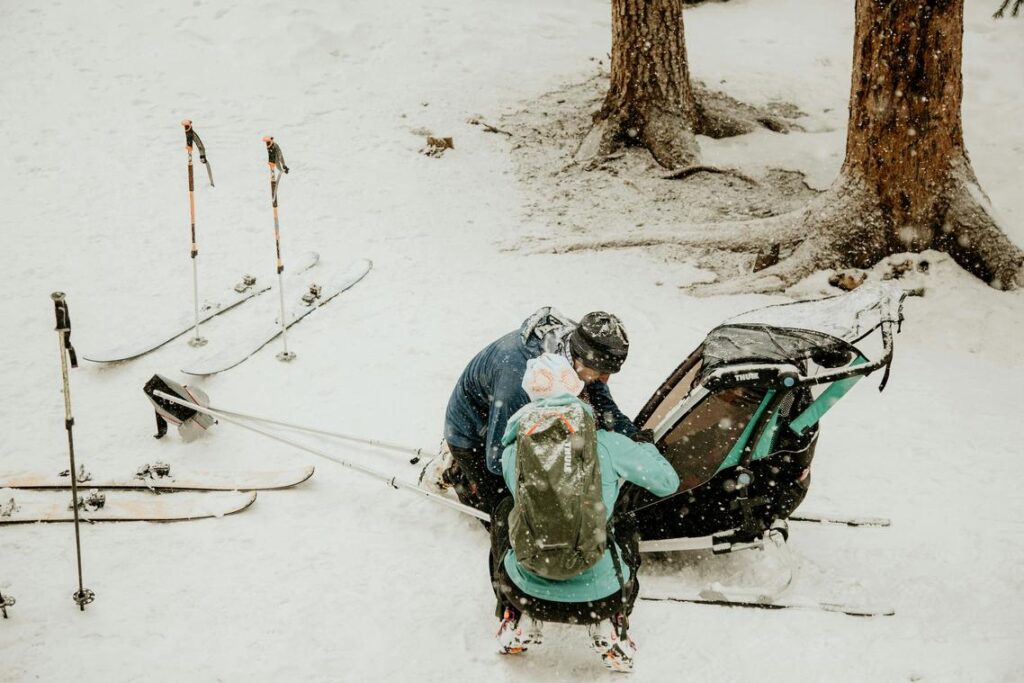
In spring, swollen rivers demand navigation and cold-water resilience. Then summer raises the stakes with exposed ridge scrambles under relentless sun. As autumn arrives, shorter days require sharp terrain analysis and precise timing. Finally, winter strips everything back—forcing mastery of layering systems, snow travel, and survival skills.
Ultimately, each season becomes its own arena—less “touch grass,” more earn your story.
Spring’s Thaw: Mastering Rugged Terrain and High-Water Navigation
Spring doesn’t ease you in—it shoves you forward with cold, swollen rivers and trails that feel more like obstacle courses. The real Physical Challenge: Whitewater Rafting or Kayaking. Strength matters, yes—but endurance is what keeps you steady when fast-moving currents hammer your paddle arms and test your grip. I’ve always believed that if your shoulders aren’t burning, you’re probably not pushing hard enough (comfort rarely builds competence).
The Mental Challenge: Advanced Orienteering. Post-winter terrain is muddy, overgrown, and deceptive. Advanced orienteering—navigating with only a map and compass—forces you to interpret topographical lines (those contour markings showing elevation changes) and adjust when the landscape refuses to match your expectations. It’s humbling.
Survival Skill Focus: River crossing techniques and identifying safe passage points in high-flow conditions. Look for downstream V-shaped ripples (often indicating submerged rocks) and avoid strainers—fallen trees that let water through but trap you.
Gear Tip: Never skimp on a properly fitted PFD, a reliable dry bag, and waterproof topographical maps. Seasonal wilderness challenges demand respect, not bravado.
Summer’s Crucible: Endurance Trekking and High-Altitude Ascents
Few seasonal wilderness challenges test you like multi-day cave trekking, or spelunking—the exploration of natural cave systems using specialized climbing and navigation techniques. Unlike a casual hike, spelunking is a documented total-body workout. A 2019 study in the Journal of Human Kinetics found that sustained crawling and vertical climbing significantly elevate heart rate and muscular endurance, comparable to high-intensity interval training. You’re squeezing through tight passages, hauling gear, and stabilizing on uneven rock (your quads will notice).
Above ground, heat becomes the real adversary. According to the CDC, heat-related illnesses cause over 700 deaths annually in the U.S. alone. Managing hydration isn’t just physical—it’s psychological. Heat exhaustion—a condition marked by dizziness, nausea, and rapid pulse—often creeps in when pride overrides pacing. Elite mountaineering case studies repeatedly cite poor hydration planning as a preventable failure point.
Survival fundamentals matter: locating water, using a high-quality filtration system, and understanding evaporative cooling—the body’s natural heat-loss process through sweat. Gear isn’t optional. Breathable, UV-protective clothing and electrolyte supplements are non-negotiable (pro tip: drink before you’re thirsty).
Autumn’s Gauntlet: Rock Climbing in Unpredictable Weather
Trad (traditional) climbing—placing and removing your own protection as you ascend—demands more than brute strength. It requires precise footwork, grip endurance, and the technical skill to seat cams and nuts securely in natural rock features. Unlike sport climbing, there are no pre-bolted anchors (you’re building your safety system as you go). According to the American Alpine Club, shifting weather is a contributing factor in a significant percentage of climbing accidents each year, underscoring how environmental variables compound physical strain.
However, critics argue that avoiding autumn climbs altogether is safer. While caution has merit, learning to manage seasonal wilderness challenges builds resilience and judgment that fair-weather climbing simply doesn’t teach.
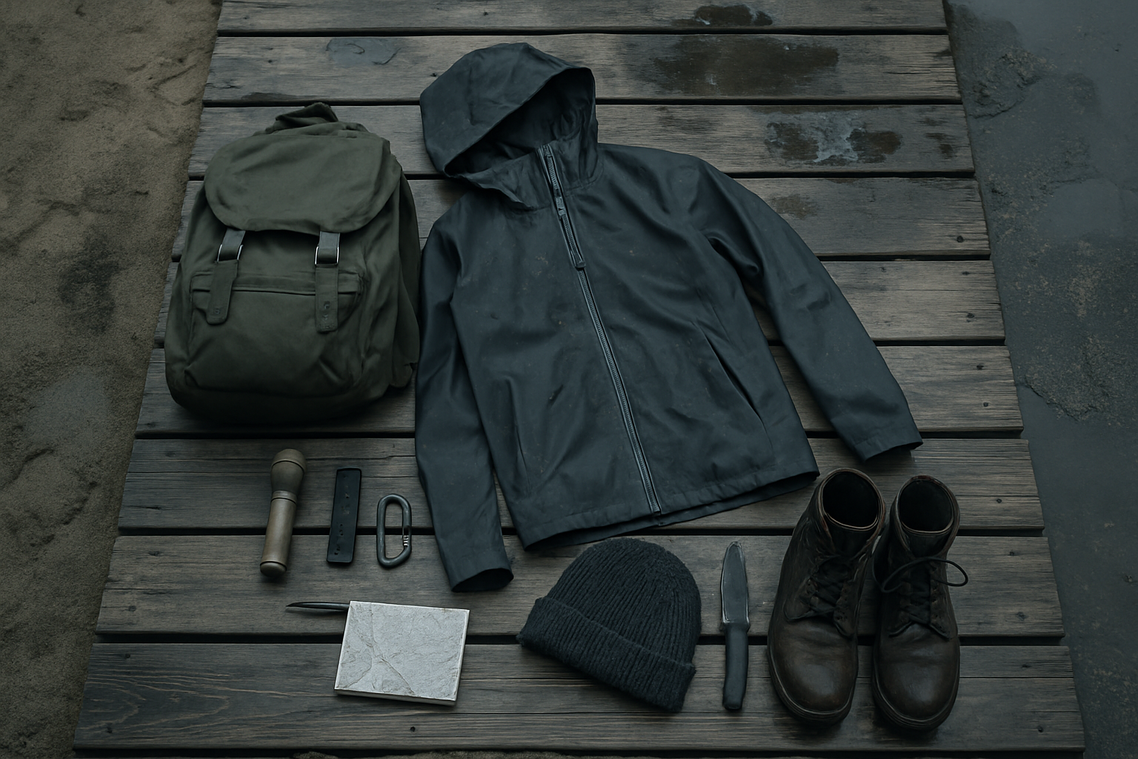
Meanwhile, the mental game intensifies. Reading a route while monitoring wind, temperature drops, and incoming storms requires sharp risk assessment and calm problem solving. Layering—moisture-wicking base, insulating mid-layer, weather-resistant shell—prevents hypothermia, which can occur in temps as high as 50°F with wind and rain (CDC).
Pro tip: Carry a dry-coated rope to resist water absorption, which UIAA tests show can significantly increase rope weight when wet. Pair it with versatile cams, nuts, and a reliable shell jacket. Finally, mastering basic knots—like a taut-line hitch for emergency shelters—adds a survival edge. For deeper backcountry ethics, review sustainable practices for responsible wilderness exploration.
Winter’s Silence: Ice Climbing and Cold-Weather Survival
Ice climbing looks cinematic—steel biting into blue ice, breath hanging in frozen air—but the physical demand is brutally real. Swinging articulated ice tools requires coordinated shoulder power, forearm endurance, and core tension, while crampons must be driven precisely into vertical ice with controlled hip movement. It’s less like climbing a ladder and more like performing slow, deliberate pull-ups while balancing on dinner plates (not exactly a casual weekend workout).
The greater test, though, may be mental. Cold tolerance and emotional control determine whether you tie knots correctly or fumble them. I’ll admit: experts debate how much “cold adaptation” is physiological versus mindset. What’s clear is that panic accelerates heat loss and mistakes.
Survival basics matter in these seasonal wilderness challenges:
- Build a quinzhee (a hollowed snow mound) or snow cave to trap insulating air.
- Watch for frostbite: numb, white, waxy skin.
- Recognize hypothermia: shivering, confusion, slurred speech.
Gear can tip the odds: insulated waterproof boots, precise ice tools, and a high-lumen headlamp powered by lithium batteries (alkalines fade fast in the cold). Pro tip: keep spare batteries inside your jacket.
The All-Season Kit: Core Gear for Year-Round Readiness
All-Season Advantage: Competitors list gear; few explain why redundancy wins when seasonal wilderness challenges collide.
-
Navigation: A dedicated GPS plus paper map and compass forms a fail-safe triangle. Batteries die; satellites drift (yes, it happens). Pro tip: laminate your map edges to survive sleet.
-
First-Aid: Go beyond bandages—add trauma shears, blister care, and an emergency blanket to manage shock.
-
Illumination: A headlamp with spare batteries keeps hands free when dusk overstays its welcome.
-
Multi-Tool: Quality steel handles repairs, meal prep, and the unexpected.
Choose durability over gimmicks every single expedition. Test gear annually.
Your Next Challenge Begins Now
You have a framework. Now comes the payoff.
The real reward of seasonal wilderness challenges isn’t just adrenaline; it’s clarity, resilience, and confidence you carry home.
Adventure with intention means every flood crossed or icy ridge climbed builds skill, not just stories.
- Stronger decision-making under pressure
Pick one season. Research the terrain. Train for the conditions. Prepare smartly.
You gain competence, safety, and a story worth telling.
That preparation transforms uncertainty into calculated risk and turns a simple trip into a defining expedition that reshapes how you see your limits personally.
The benefits are lasting.
As we explore the seasonal challenges that transform untouched natural landscapes, we can gain deeper insights into the geological wonders like Lerakuty Cave and how its unique formation has been shaped by these very elements over time – for more details, check out our How Lerakuty Cave Formed.
Keep Exploring with Confidence and Skill
You set out to better understand cave trekking, navigation, terrain analysis, and how to prepare for seasonal wilderness challenges—and now you have the foundational knowledge to move forward with clarity. From reading rock formations to packing the right gear and sharpening survival instincts, you’re no longer stepping into the unknown unprepared.
The real risk in wilderness exploration isn’t the cave itself—it’s going in without the right skills. Unpredictable terrain, shifting weather, and limited visibility can turn small mistakes into dangerous situations.
Act on what you’ve learned. Train your navigation skills regularly. Review your gear before every trip. Study terrain patterns before entering unfamiliar environments.
If you’re serious about exploring safely and confidently, dive deeper into our expert field guides and practical trekking resources. Join thousands of outdoor enthusiasts who rely on proven, field-tested insights—start preparing smarter today.
 Janice Martinezelous has opinions about cave navigation and terrain analysis. Informed ones, backed by real experience — but opinions nonetheless, and they doesn't try to disguise them as neutral observation. They thinks a lot of what gets written about Cave Navigation and Terrain Analysis, Cave Trekking Basics and Survival Skills, Horizon Headlines is either too cautious to be useful or too confident to be credible, and they's work tends to sit deliberately in the space between those two failure modes.
Reading Janice's pieces, you get the sense of someone who has thought about this stuff seriously and arrived at actual conclusions — not just collected a range of perspectives and declined to pick one. That can be uncomfortable when they lands on something you disagree with. It's also why the writing is worth engaging with. Janice isn't interested in telling people what they want to hear. They is interested in telling them what they actually thinks, with enough reasoning behind it that you can push back if you want to. That kind of intellectual honesty is rarer than it should be.
What Janice is best at is the moment when a familiar topic reveals something unexpected — when the conventional wisdom turns out to be slightly off, or when a small shift in framing changes everything. They finds those moments consistently, which is why they's work tends to generate real discussion rather than just passive agreement.
Janice Martinezelous has opinions about cave navigation and terrain analysis. Informed ones, backed by real experience — but opinions nonetheless, and they doesn't try to disguise them as neutral observation. They thinks a lot of what gets written about Cave Navigation and Terrain Analysis, Cave Trekking Basics and Survival Skills, Horizon Headlines is either too cautious to be useful or too confident to be credible, and they's work tends to sit deliberately in the space between those two failure modes.
Reading Janice's pieces, you get the sense of someone who has thought about this stuff seriously and arrived at actual conclusions — not just collected a range of perspectives and declined to pick one. That can be uncomfortable when they lands on something you disagree with. It's also why the writing is worth engaging with. Janice isn't interested in telling people what they want to hear. They is interested in telling them what they actually thinks, with enough reasoning behind it that you can push back if you want to. That kind of intellectual honesty is rarer than it should be.
What Janice is best at is the moment when a familiar topic reveals something unexpected — when the conventional wisdom turns out to be slightly off, or when a small shift in framing changes everything. They finds those moments consistently, which is why they's work tends to generate real discussion rather than just passive agreement.