If you’re searching for a clear, practical guide to exploring Lerakuty Cave and mastering the essentials of cave trekking, you’re in the right place. Whether you’re a first-time adventurer or looking to sharpen your underground navigation and survival skills, this article is designed to give you reliable, field-tested insights you can actually use.
Cave environments are unpredictable. From shifting terrain and low-light navigation to gear selection and risk assessment, even small mistakes can turn serious. That’s why this guide breaks down cave trekking basics, terrain analysis strategies, and smart outdoor gear choices in a straightforward, actionable way.
We draw on real-world trekking principles, established wilderness safety practices, and proven navigation techniques to ensure the information is accurate and practical. You’ll also learn how to approach exploration with a mindset rooted in sustainable wilderness travel, helping you protect fragile cave ecosystems while staying safe and prepared on every expedition.
Tread Lightly: A Guide to Ecotourism That Heals, Not Harms
Ecotourism Is a Practice, Not a Label
First, let’s define responsible ecotourism: active choices that protect ecosystems, not just booking a “green” tour. I’ve watched pristine caves turn brittle under careless boots (good intentions still leave footprints). According to the UN Environment Programme, unmanaged tourism can accelerate habitat degradation (UNEP). In other words, loving a place can slowly damage it.
Some argue tourism funds conservation. True—when structured well. However, without sustainable wilderness travel principles, impact outweighs aid.
| Action | Impact |
|---|---|
| Stay on marked trails | Prevents erosion |
| Hire local guides | Supports stewardship |
| Pack out waste | Protects wildlife |
Plan deliberately. Travel humbly. Leave quietly.
Respect outdoors starts before boots hit dirt. Leave No Trace is often reduced to a slogan, but sustainable wilderness travel demands deeper thinking.
-
Plan Ahead and Prepare. This goes beyond a packing checklist. Terrain analysis means studying an ecosystem’s weak points: cryptobiotic soil in deserts, fragile cave formations, flash‑flood corridors. Some argue spontaneity is part of adventure. Fair. But wandering in blind can scar landscapes for decades (nature is not your reset button). Research permits, weather, and seasonal closures before you go.
-
Travel and Camp on Durable Surfaces. Durable means rock, gravel, sand, or dry grasses. Fragile means moss, wet meadows, tundra. Yes, spreading out sounds harmless, yet repeated footsteps compact soil and choke roots. Camp 200 feet from water to protect riparian zones and wildlife corridors.
-
Dispose of Waste Properly. Pack it in, pack it out. In forests, dig catholes 6–8 inches deep; in alpine or desert zones, use WAG bags to prevent water contamination (CDC notes improper waste spreads pathogens). Don’t assume “it’s natural” equals safe.
-
Leave What You Find. Taking rocks or building cairns feels innocent. However, removing materials disrupts microhabitats and misleads hikers. Think less souvenir shop, more museum rule: don’t touch.
Gear Up for Good: Selecting Equipment with the Earth in Mind
“The most eco-friendly gear,” a trail guide once told me, “is the gear you never buy.” That’s the Minimalist Mindset in action: choosing multi-use, durable equipment that reduces waste and pack weight. (Yes, your back will thank you.) A single quality rain shell beats three flimsy ponchos. A metal mug can double as a bowl. Buying less isn’t deprivation—it’s strategy.
Critics argue that new “green” gear drives innovation. Fair. But constant upgrades fuel production cycles and landfill waste. According to the EPA, textiles alone generated over 11 million tons of waste in the U.S. (EPA.gov). Repairing a torn strap instead of replacing the pack keeps materials in use longer.
Low-Impact Essentials:
- Rubber-tipped trekking poles to prevent rock scarring
- A lightweight camp stove to avoid fire scars
- A refillable bottle with a water filter instead of buying plastic
For consumables, choose biodegradable soap and reef-safe sunscreen (NOAA warns some chemicals harm aquatic life). Look for recycled fabrics or responsibly sourced wool.
Finally, pack binoculars or a zoom lens. “Observe, don’t interfere,” a ranger once said. Wildlife photography should feel like respectful distance, not paparazzi.
This is sustainable wilderness travel in practice. For more, see the complete guide to exploring remote wilderness regions.
Your Path Matters: Navigation and Movement in Wild Spaces
The Importance of the Trail
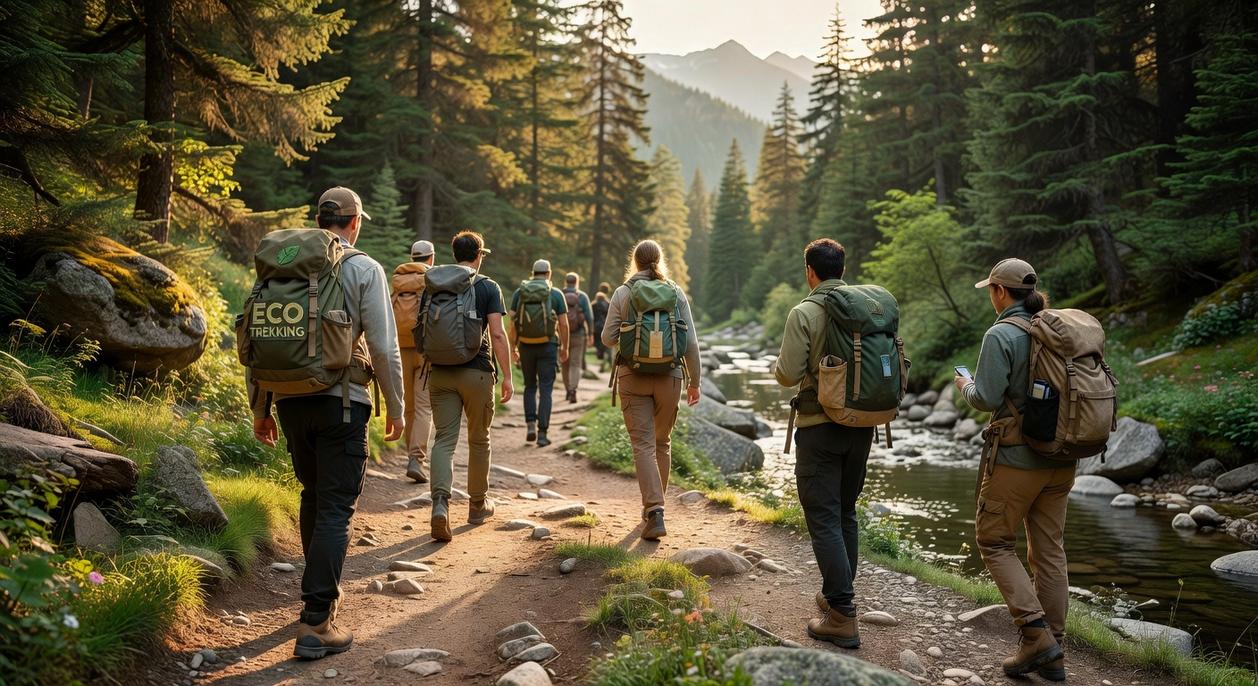
I’ll say it plainly: if there’s a trail, use it. Established paths exist to concentrate impact. When hikers cut corners or create “social trails” (unofficial paths formed by repeated foot traffic), they loosen soil, accelerate erosion, and crush fragile vegetation. According to the U.S. Forest Service, soil compaction and erosion are among the most common forms of recreation-related land damage. That “shortcut” might save two minutes, but it can scar a hillside for decades. The wild isn’t a sandbox; it remembers where you step.
Off-Trail Travel Techniques
Now, I’m not anti–off-trail travel. In some areas, it’s permitted and even necessary. But it demands skill. On durable terrain like scree or exposed rock, fan out to disperse impact. In grasslands or alpine meadows, walk single-file to avoid braiding multiple tracks into the landscape. Think of it like minimizing your digital footprint—only here, it’s literal. Sustainable wilderness travel isn’t about restriction; it’s about intention. (Yes, even if you feel like Aragorn blazing your own trail.)
Map and Compass Skills
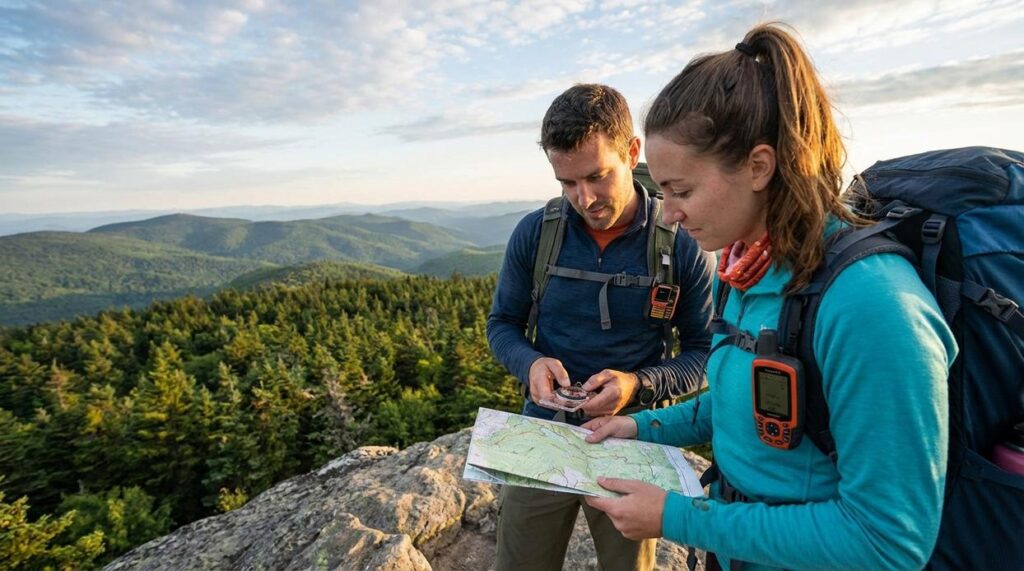
Navigation is a core ecotourism skill. A map shows terrain features; a compass aligns you with magnetic north so you can travel on a bearing. Getting lost often leads to panic—and panic leads to trampled brush and unnecessary rescue operations. In my view, relying solely on GPS is lazy. Batteries die. Skills don’t.
Water Source Etiquette
Approach streams on durable surfaces like rocks or sand. Avoid trampling riparian zones—the lush edges of waterways that filter water and support biodiversity. Collect water quickly and step back. Those green margins? They’re ecological lifelines, not rest stops.
More Than a Visitor: Supporting Local Wildlife and Communities
Exploring wild places is a privilege. And with that privilege comes responsibility. If you want to move from being a tourist to being a true steward, start with what I call the Wildlife Pledge.
First, keep a significant distance from animals. If they change their behavior because of you, you’re too close (yes, even for the perfect photo). Never feed wildlife—human food disrupts natural foraging patterns and can cause malnutrition or aggression (National Park Service). Store food securely to prevent habituation, which happens when animals lose their natural fear of humans.
Next, learn to read animal body language. A deer’s raised, flagging tail signals alarm. A bear jaw-popping or swaying its head is stressed and warning you to back off. These are survival skills, not trivia. Ignoring them can escalate encounters quickly. Pro tip: if you notice repeated stress signals, increase your distance immediately and leave the area calmly.
Just as importantly, remember the human ecosystem. Conservation succeeds when local communities benefit. Studies from the UN Environment Programme show community-based tourism improves both biodiversity protection and local income.
Here’s what I recommend:
- Hire local guides who understand terrain and wildlife patterns.
- Buy locally made goods instead of imported souvenirs.
- Stay in locally owned accommodations.
- Ask how your visit supports conservation efforts.
This is the heart of sustainable wilderness travel. When your money reinforces stewardship, landscapes stay wild—and communities thrive right alongside them.
Your Footprint Is Your Legacy
Every trip begins with a choice. The wild places we love are strained by our presence. Trails widen, trash lingers, habitats shrink.
Responsible ecotourism means making intentional decisions from planning to packing out your last wrapper.
Practice sustainable wilderness travel by focusing on:
- Thoughtful gear choices that reduce waste and weight
- Skilled navigation to avoid fragile terrain
- Respectful behavior toward wildlife and fellow explorers
Pro tip: master one principle next adventure and track impact.
Small actions compound. When you leave no trace, you become a guardian, not a guest. Choose wisely. It truly matters today.
Keep Exploring with Confidence
You set out to better understand cave trekking, navigation, and how to stay safe in unpredictable terrain—and now you have the foundational knowledge to move forward with clarity. From reading rock formations to choosing the right gear and applying practical survival skills, you’re better prepared to approach your next adventure with purpose instead of uncertainty.
The truth is, the wilderness doesn’t forgive hesitation or poor preparation. Getting lost, underpacking, or misreading terrain can quickly turn an exciting trek into a stressful, even dangerous, experience. That’s why committing to sustainable wilderness travel and sharpening your outdoor decision-making skills isn’t just smart—it’s essential.
Now it’s time to take action. Start planning your next cave trek with a clear route strategy. Upgrade the gear that matters most. Practice your navigation skills before you hit challenging terrain. And if you want reliable, field-tested guidance trusted by a growing community of serious outdoor explorers, explore our latest trekking insights and gear breakdowns today.
Don’t wait until you’re deep underground to wish you’d prepared more. Equip yourself now, trek smarter, and step into your next adventure ready for whatever the horizon hides.
 Geristober Quevedo writes the kind of cave navigation and terrain analysis content that people actually send to each other. Not because it's flashy or controversial, but because it's the sort of thing where you read it and immediately think of three people who need to see it. Geristober has a talent for identifying the questions that a lot of people have but haven't quite figured out how to articulate yet — and then answering them properly.
They covers a lot of ground: Cave Navigation and Terrain Analysis, Cave Trekking Basics and Survival Skills, Horizon Headlines, and plenty of adjacent territory that doesn't always get treated with the same seriousness. The consistency across all of it is a certain kind of respect for the reader. Geristober doesn't assume people are stupid, and they doesn't assume they know everything either. They writes for someone who is genuinely trying to figure something out — because that's usually who's actually reading. That assumption shapes everything from how they structures an explanation to how much background they includes before getting to the point.
Beyond the practical stuff, there's something in Geristober's writing that reflects a real investment in the subject — not performed enthusiasm, but the kind of sustained interest that produces insight over time. They has been paying attention to cave navigation and terrain analysis long enough that they notices things a more casual observer would miss. That depth shows up in the work in ways that are hard to fake.
Geristober Quevedo writes the kind of cave navigation and terrain analysis content that people actually send to each other. Not because it's flashy or controversial, but because it's the sort of thing where you read it and immediately think of three people who need to see it. Geristober has a talent for identifying the questions that a lot of people have but haven't quite figured out how to articulate yet — and then answering them properly.
They covers a lot of ground: Cave Navigation and Terrain Analysis, Cave Trekking Basics and Survival Skills, Horizon Headlines, and plenty of adjacent territory that doesn't always get treated with the same seriousness. The consistency across all of it is a certain kind of respect for the reader. Geristober doesn't assume people are stupid, and they doesn't assume they know everything either. They writes for someone who is genuinely trying to figure something out — because that's usually who's actually reading. That assumption shapes everything from how they structures an explanation to how much background they includes before getting to the point.
Beyond the practical stuff, there's something in Geristober's writing that reflects a real investment in the subject — not performed enthusiasm, but the kind of sustained interest that produces insight over time. They has been paying attention to cave navigation and terrain analysis long enough that they notices things a more casual observer would miss. That depth shows up in the work in ways that are hard to fake.