Your first descent into a cave is unforgettable—but only if you approach it the right way. The hidden world beneath the surface demands respect, planning, and the right mindset. This guide focuses on the most critical stage of any expedition: cave trekking preparation. Without it, even a short trip can turn dangerous. We bridge the gap between excitement and safety by outlining exactly how to prepare, what gear to carry, and which skills to develop before stepping underground. Built on hard-earned field experience and real-world rescue insights, this step-by-step framework ensures your adventure is defined by discovery—not avoidable mistakes.
The Unbreakable Rules of Subterranean Safety
When it comes to caves, confidence is good—overconfidence is dangerous. The underground environment is unforgiving, and small mistakes compound quickly. That’s why these rules aren’t suggestions; they’re standards.
-
The Rule of Threes
Never cave alone. A minimum of three people ensures that if someone is injured, one person stays while the other goes for help. In rescue terms, this redundancy prevents a single emergency from becoming two (a surprisingly common mistake, according to the National Speleological Society). -
The Trip Plan Protocol
Always leave a detailed plan with a trusted surface contact. Include your exact location, group names, intended route, and a firm “call for help” time. If you’re overdue, minutes matter. -
Know Your Limits
Choose caves suited to your least experienced member. Start with simple, horizontal systems. Proper cave trekking preparation reduces risk before you even step underground.
For deeper readiness, review essential survival skills for underground expeditions: https://lerakutycave.com/essential-survival-skills-for-underground-expeditions/.
Gearing Up: Your Subterranean Lifeline
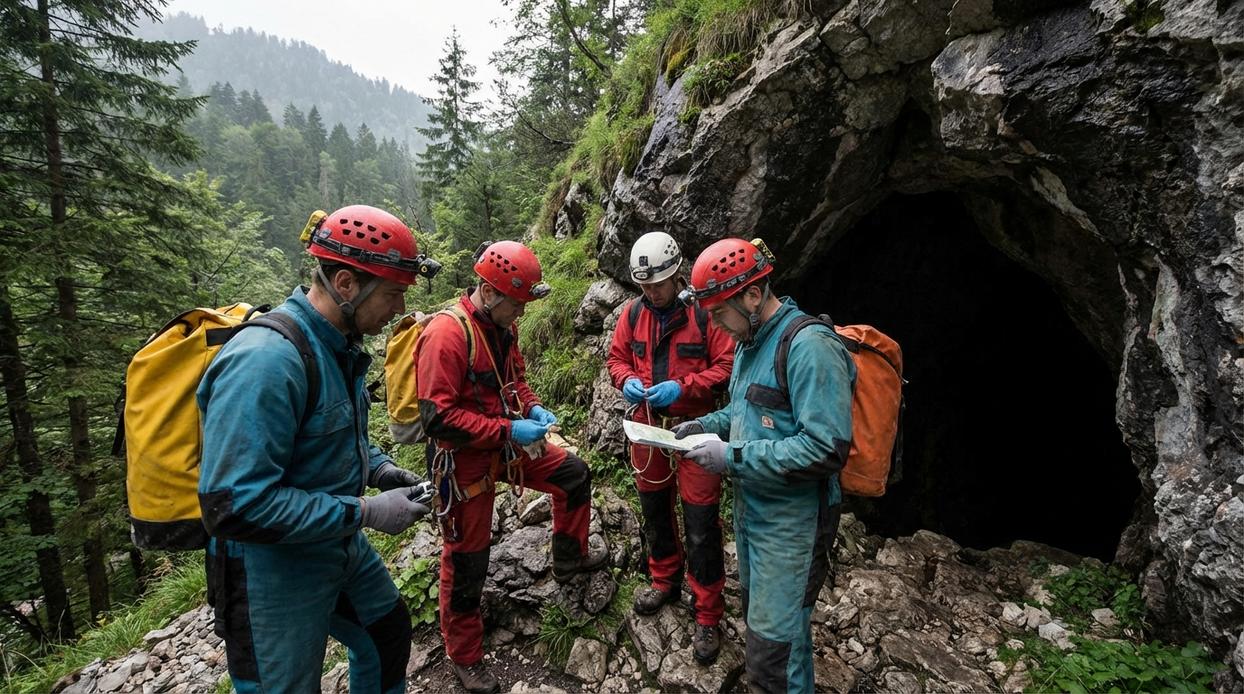
Have you ever wondered what separates a memorable cave trek from a rescue headline? More often than not, it’s what’s in your pack.
First, light. Underground, darkness isn’t poetic—it’s absolute. Your life depends on three independent sources of illumination: a primary helmet-mounted LED headlamp, a backup headlamp, and a third durable flashlight or chemical light stick. Why three? Because batteries fail, bulbs crack, and accidents happen. Pack extra batteries for every electronic device. (Yes, even if they’re “brand new.”)
Next, protection. A climbing-rated helmet is non-negotiable; loose rock and low ceilings don’t give warnings. Durable synthetic clothing—never cotton—keeps insulating when wet. Cotton, by contrast, loses heat retention when soaked, increasing hypothermia risk (CDC). Add sturdy gloves plus knee and elbow pads. Ever slammed your knee on limestone? It’s not cinematic.
Footwear matters just as much. Wet, uneven rock is the default terrain, not the exception. Sturdy, waterproof boots with deep lugs and solid ankle support reduce slips and sprains. Would you hike a mountain in flip-flops? Exactly.
Finally, your survival pack. In a compact, rugged bag, carry high-energy food like bars and nuts, at least one liter of water, a small first-aid kit for scrapes and sprains, and a Mylar emergency blanket to reflect body heat. These aren’t “extras.” They’re cave trekking preparation essentials.
So before you descend, ask yourself: if the unexpected happens, are you equipped to handle it—or just hoping it won’t?
Skills to Master Before You Go Underground
Going underground without preparation is like trying to drive in a snowstorm without ever practicing on dry pavement. The environment amplifies every small mistake. That’s why confident movement comes first.
Use the three points of contact rule—meaning two hands and one foot, or two feet and one hand, are always stable. Think of yourself as a camera tripod: remove one leg without balance and everything tips. Move deliberately, test each hold before shifting weight, and rehearse crawling or squeezing through tight spaces in a safe setting (yes, it feels awkward at first—that’s the point).
Next, master basic knot tying. A figure-eight follow-through creates a secure loop that won’t slip under load, while a bowline forms a fixed loop that’s easy to untie. Knots are like seatbelts: simple, forgettable—until you desperately need them.
Finally, rehearse emergency drills. If a light fails, if someone gets stuck, if your group becomes disoriented—have a plan. Clear, calm communication beats shouting, since echoes blur sound like a bad phone connection in a tunnel scene from an action movie.
Treat cave trekking preparation like a dress rehearsal. The more you practice above ground, the steadier you’ll feel below it.
Reading the Rock: Navigation and Terrain Awareness
Cave navigation starts with understanding your map. A plan view shows the cave from above, like a bird’s-eye view, while a profile view shows it from the side, revealing elevation changes. Look for symbols marking passages, vertical drops, and water features. If you can’t confidently explain what a symbol means, pause and clarify BEFORE you go underground.
Inside the cave, natural navigation cues are your best backup. Notice distinctive formations, sharp bends, and junction shapes on the way in. Water flow usually leads toward lower exits, and steady air drafts often indicate an opening. These small observations prevent big mistakes (and long, cold detours).
If you must mark a confusing junction, use small pieces of bright flagging tape—and remove EVERY piece on your exit. Permanent marks damage fragile cave ecosystems and can mislead future explorers.
Stay alert for hazards. “Breakdown” refers to loose rocks on ceilings or walls. Scan for unstable sections, watch for flood-prone passages in wet systems, and monitor symptoms of bad air like dizziness or shortness of breath.
Smart cave trekking preparation includes map study, hazard awareness, and constant observation. Read the rock carefully—it always tells a story.
Returning to the Light: Your Final Pre-Trip Check
You set out to ensure nothing was overlooked before stepping underground—and now you have a clear, practical blueprint to do exactly that. Every checklist item, safety layer, and backup plan reinforces one truth: accidents in caves happen when cave trekking preparation falls short.
The risk isn’t the darkness—it’s complacency. Forgotten gear, unclear communication, or weak planning can turn adventure into emergency.
Before you leave, lay out your equipment, confirm roles with your team, and double-check your route and contingencies. Then take the next step: download a verified pre-trip checklist and review our expert gear and safety guides. Thousands of outdoor explorers rely on our proven resources—make sure you do too. Prepare thoroughly today so you can return safely tomorrow.