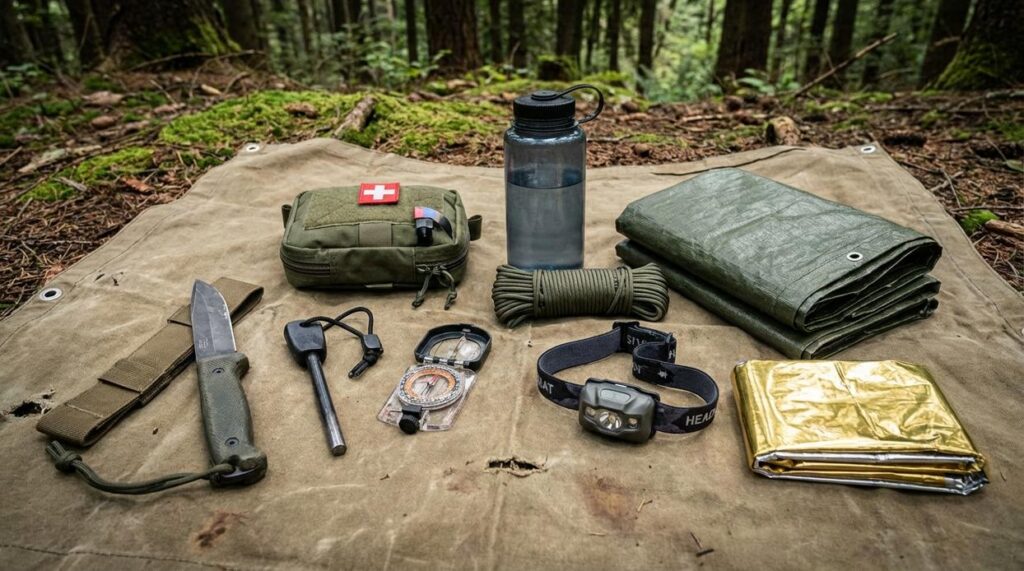
Planning to explore rugged caves or remote terrain? This guide is built for adventurers who want clear, practical knowledge before stepping into the unknown. Whether you’re researching cave trekking basics, improving navigation in harsh landscapes, or sharpening your essential bushcraft skills, this article delivers focused, field-ready insights you can actually use.
Many outdoor enthusiasts underestimate how quickly conditions can change underground or in isolated wilderness areas. Poor terrain analysis, weak route planning, or inadequate gear choices can turn a simple trek into a dangerous situation. That’s why this guide breaks down survival fundamentals, smart navigation strategies, and outdoor gear considerations in a straightforward, experience-driven way.
We draw from real-world trekking principles, established survival practices, and proven backcountry methods to ensure the information is practical—not theoretical. By the end, you’ll understand how to assess terrain confidently, prepare effectively, and move through challenging environments with greater awareness and control.
You’re an hour into a day hike when the trail splits, and you choose wrong. At first, it feels minor; by dusk, it’s cold, you’re thirsty, and the path is gone. Most outdoor emergencies begin this way—small, preventable mistakes, not bear attacks. The real challenge is managing core temperature and finding water. So, focus first on shelter, hydration, and navigation. Learn essential bushcraft skills before chasing extreme scenarios. In other words, master the basics. Practice reading terrain, carrying insulation, and marking your route. Pro tip: always pack an layer. Ultimately, preparation turns panic into a manageable problem, and a story.
The first rule of any backcountry trip is simple: know exactly where you are and where you’re going. Fire-starting, shelter-building, even essential bushcraft skills mean little if every step takes you deeper into danger. Around Lerakuty Cave’s limestone ridgelines, a wrong turn can funnel you into a box canyon faster than a flash flood. So first, prevent getting lost.
Map and Compass: Your Non-Negotiables
A physical topographic map and a baseplate compass are not “old-school”—they’re insurance. Orient the map by aligning its north with your compass needle, then match terrain features—spurs, saddles, creek bends—to what you see. To take a bearing, point the direction-of-travel arrow at your destination, rotate the bezel to north, and follow the needle (yes, it’s that straightforward).
Of course, some argue GPS makes this obsolete. But batteries die, signals fade in karst terrain, and screens crack.
Meanwhile, natural cues help. The sun rises east and sets west; at midday it tracks south in our region. Water flows downhill toward larger drainage. Prevailing winds sculpt tree growth and snowdrifts along exposed faces.
If you do feel disoriented, use S.T.O.P.: Stop, Think, Observe, Plan. Panic is optional; procedure is not. Calm decisions save lives in tight, unforgiving terrain.
Your 3-Hour Lifeline: Mastering Shelter and Hydration
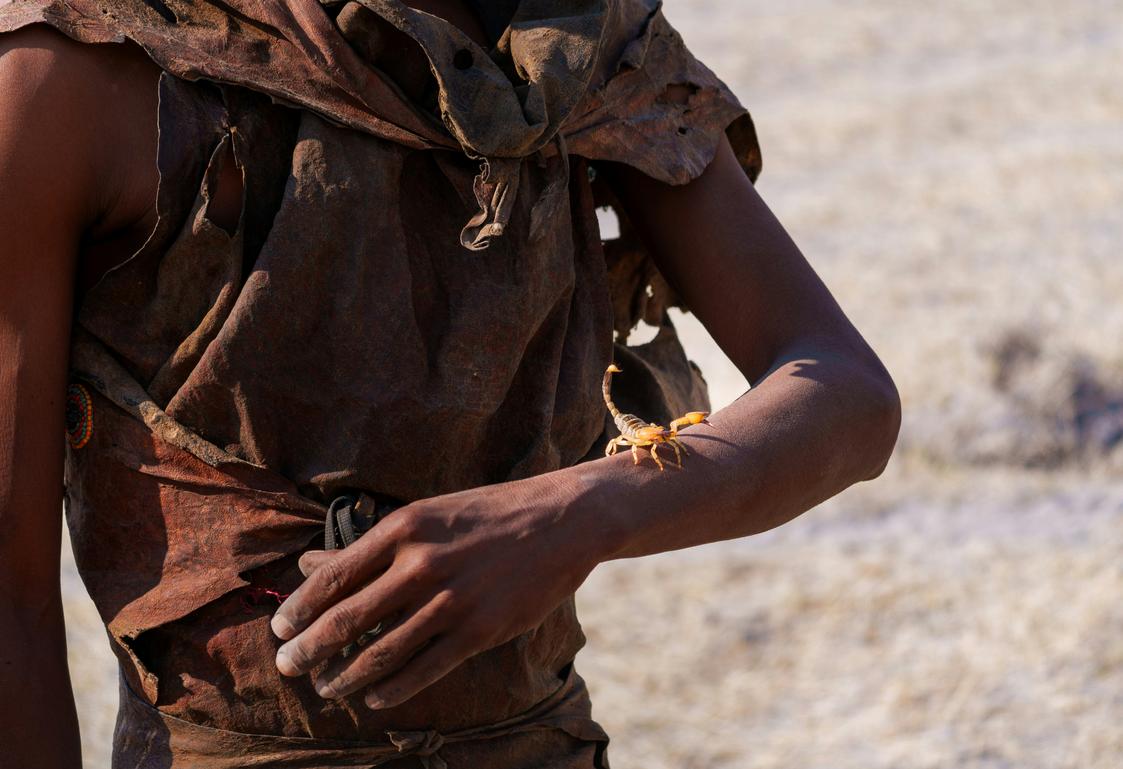
First, the Rule of Threes sets your survival priorities: 3 minutes without air, 3 hours without shelter in extreme weather, and 3 days without water. In other words, exposure can end your story faster than dehydration (nature doesn’t care about your weekend plans).
Building a Debris Hut
Before anything else, pick a safe location. Avoid widowmakers (loose overhead branches), flood-prone valleys, and animal trails. Next, build a ridgepole—a long, sturdy branch that forms the spine of your shelter. Prop one end on a stump or forked tree.
- Lean shorter sticks along both sides to create a ribcage frame.
- Pile leaves, pine needles, and duff (forest floor debris) at least 2–3 feet thick for insulation.
- Crawl inside and block the entrance with more debris.
Insulation traps body heat; think of it as your natural sleeping bag. In The Revenant, survival looked dramatic. In reality, it’s quiet, methodical work rooted in essential bushcraft skills.
Finding a Water Source
Then, move downhill. Water collects in valleys, near green vegetation, and along converging animal tracks. However, assume every source is contaminated (clear doesn’t mean clean—just ask any park ranger).
Making Water Safe
Boiling is most reliable; one rolling boil kills pathogens (CDC). The downside? You need fuel and time. Filters are fast and portable, but can clog or freeze. Chemical tablets are lightweight and great for minimalist packing strategies for lightweight exploration, though they leave a taste and require wait time.
Some argue you can skip purification in remote areas. That’s risky. Giardia isn’t a souvenir you want.
Fire does four vital things in the wild: warmth, light, signaling, and morale. “Without heat, you’re on a clock,” a mountain guide once told me, referring to hypothermia, the dangerous drop in core body temperature (CDC). Flames push back darkness, help rescuers spot you, and steady shaking nerves. As one stranded hiker said, “Watching sparks rise made me feel human again.”
Understanding the Fire Triangle—fuel, heat, and oxygen—is foundational. Remove one, and the flame dies. Think of it like a three-legged stool; kick out a leg and everything collapses.
Preparation matters. Start with tinder, cotton-ball sized and fibrous. Add kindling, pencil-lead to finger-thick. Finish with fuelwood, wrist-thick or larger. “Dry, dead wood only,” instructors repeat, because moisture steals heat. These are essential bushcraft skills that separate comfort from crisis.
For ignition, a ferro rod and striker throw hot sparks even when wet, outperforming lighters or matches. “Scrape hard,” a friend coached, “let the sparks shower.” In a pinch, touch steel wool to a battery’s terminals; it glows, igniting tinder. Fire isn’t magic— it’s method. Respect it, feed it carefully, and it will guard your night, lift your spirits, and signal hope across the darkened horizon when rescue nears.
Getting Found: How to Signal for Rescue
When you’re lost, the real goal isn’t thriving in the wild—it’s getting spotted fast. Rescue depends on visibility, not heroics (this isn’t a survival reality show).
Visual Signals
Think contrast and movement. Bright colors against green forest or pale sand stand out immediately. Lay out large ground markers like SOS or an X in an open area using rocks, logs, or gear. Make symbols at least 10 feet long so they’re visible from the air. The international distress signal is three of anything—three fires, three flashes, three marks.
Use a signal mirror by aiming reflected sunlight toward aircraft or ridgelines. Sweep slowly across the horizon.
Audible Signals
Carry a whistle. Three sharp blasts carry farther than yelling and conserve energy.
Passive Signaling
Leave a trip plan with a reliable contact. Wear bright layers. Combine these habits with essential bushcraft skills to dramatically improve rescue odds.
Preparation turns knowledge into instinct. Navigation, shelter, water, fire, and signaling aren’t random tricks; they’re a connected system. When one fails, the others compensate. That’s why mastering these essential bushcraft skills matters.
Uncertainty—not the dark, not the cold—is the real threat. Panic clouds judgment (and no, this isn’t a reality TV survival drama).
Build a simple plan:
- Pack a basic survival kit.
- Practice making a tinder bundle in your backyard.
Repetition builds confidence. The more you rehearse, the faster you think and act. Start small, start today, and let practice replace fear with clarity in any environment outdoors.
You set out to better understand cave trekking, navigation, terrain awareness, and the survival mindset required to explore safely. Now you have a clearer picture of how preparation, smart gear choices, and essential bushcraft skills work together to keep you confident underground and in the wild.
The real risk was never just getting lost — it was being unprepared when conditions shift, light fades, or terrain turns unpredictable. With the right knowledge, you reduce panic, make smarter decisions, and move with purpose instead of hesitation.
Take Your Next Step Underground
Don’t wait until you’re facing a tight passage or unexpected weather to wish you’d trained more. Build your essential bushcraft skills, refine your navigation techniques, and upgrade your terrain analysis today. Join the community that outdoor explorers trust for practical, field-tested guidance. Start sharpening your survival edge now — because the wild doesn’t wait, and neither should you.