
If you’re searching for a clear, practical guide to cave trekking for beginners, you’re likely looking for more than just adventure stories—you want real guidance you can trust before stepping underground. Cave environments are unpredictable, and without the right preparation, even a short trek can become risky.
This article is designed to give you exactly what you need: a solid understanding of basic cave safety, essential gear, navigation fundamentals, terrain awareness, and survival principles tailored specifically for first-time explorers. Instead of overwhelming you with technical jargon, we break down what truly matters when entering a cave for the first time.
Our insights are grounded in hands-on outdoor experience, field-tested navigation strategies, and proven safety practices used by seasoned trekkers. By the end, you’ll have a clear roadmap to prepare confidently, avoid common beginner mistakes, and approach your first cave trek with the knowledge and awareness it demands.
Step past the tree line and into a limestone opening, and it feels like crossing into a secret world where sunlight fades and time slows. For many, that first step sparks equal parts awe and anxiety. After all, caves raise practical questions about helmets, headlamps, navigation, and safety underground. This guide breaks down cave trekking for beginners into clear, sequential steps, from choosing a CE-rated helmet and 300-lumen headlamp to following the three-point contact rule for stable movement. Moreover, you will learn non-negotiable safety principles, including telling someone your route and turnaround time (yes, even if you feel invincible). confidently.
Caving, known as “potholing” in the UK, is the recreational exploration of natural cave systems. Think of it as mountaineering turned inside out—rather than climbing peaks, you descend into the earth’s hidden architecture. It’s a TECHNICAL hobby requiring rope work, navigation, and geological awareness, not just a flashlight and curiosity.
Many newcomers use “spelunking” interchangeably with caving. Experienced explorers disagree. “Caving” signals preparation and respect for the underground environment, while “spelunking” often implies a casual, underprepared approach (like calling a deep-sea dive a quick swim). The mindset matters.
Caves themselves vary widely:
- Solutional caves carved by acidic water dissolving limestone.
- Sea caves hollowed by relentless wave action.
- Lava tubes formed by cooling volcanic flows.
Expect mud, tight squeezes, and long crawls—less cathedral stroll, more obstacle course in the dark. That’s why cave trekking for beginners starts with training, safety briefings, and realistic expectations. Preparation is EVERYTHING. Underground.
Essential Gear: Your Subterranean Lifeline
Caves are not just dark—they are lightless. That distinction matters. In true darkness, your eyes never adjust. That’s why the Rule of Three (Lights) is non-negotiable: always carry three independent light sources. “Independent” means separate power supplies. If your main headlamp fails (and electronics do fail), you need two backups. Search and rescue reports from the National Speleological Society repeatedly cite lighting failure as a leading cause of underground emergencies (NSS.org). In short: one is none, two is one.
Your primary headlamp should be helmet-mounted, waterproof (IPX7 or higher), impact-resistant, and LED-based with multiple brightness settings. LEDs are energy-efficient and durable compared to older filament bulbs. Avoid generic camping headlamps; they’re built for tents, not tight limestone crawls.
A helmet isn’t mainly for falling rocks. It’s for ceiling strikes. In low passages, you will hit your head (usually when you think you won’t). Climbing-style helmets with chin straps stay secure when scrambling.
Footwear should provide ankle support and aggressive traction for slick mud. Clothing must be synthetic and layered. Cotton absorbs moisture and loses insulation when wet—a dangerous combo underground where temperatures often mirror the region’s annual average (USGS.gov).
Basic pack essentials include:
- Water
- High-energy snacks
- Small first-aid kit
- Trash bag (pack out everything)
- Backup light
For cave trekking for beginners, clarity beats complexity. If you’re unsure what to pack, review how to build a cave survival kit for emergency situations: https://lerakutycave.com/how-to-build-a-cave-survival-kit-for-emergency-situations/.
• Underline
• Clarity over clutter
• Redundancy saves lives
(Pro tip: Store spare batteries in a waterproof pouch.)
The Unbreakable Rules of Cave Safety
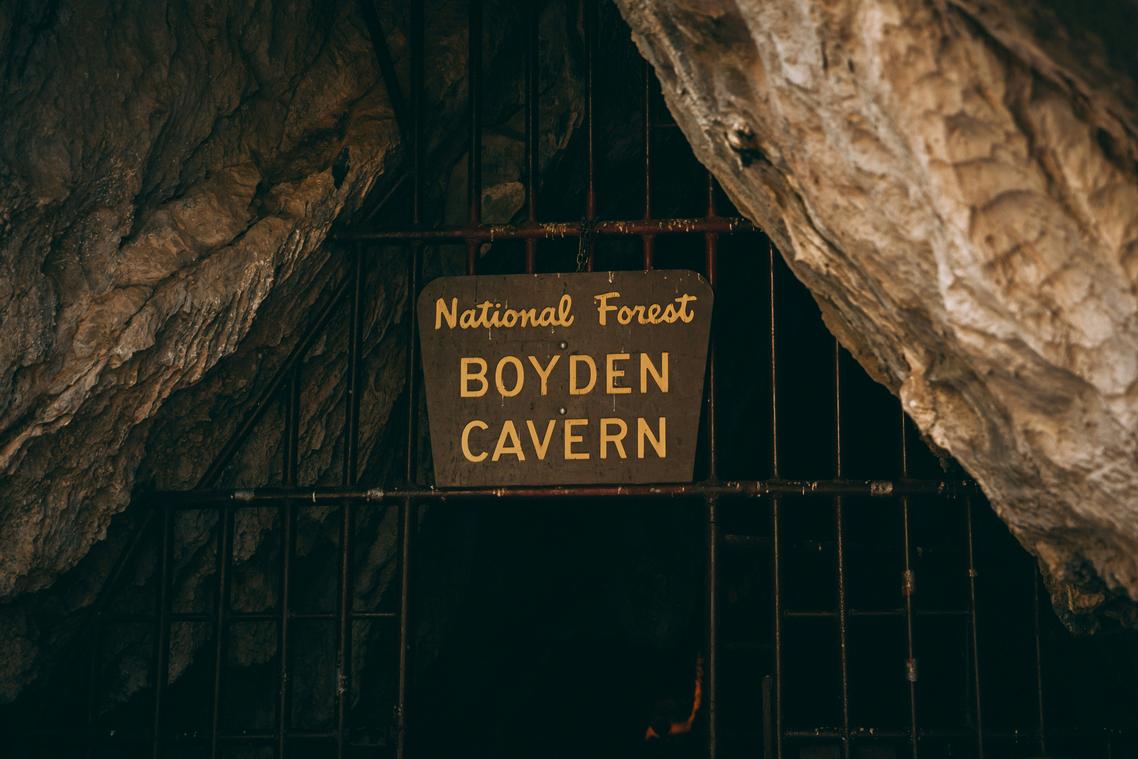
I learned most cave rules the hard way. Thankfully, I’m here to write about them.
Never Cave Alone
At first, I thought solo trips sounded peaceful—almost heroic. However, caves don’t reward heroics; they punish them. A small group of 3–5 experienced people is ideal. If one person gets hurt, another can stay while the others get help. Once, a friend twisted an ankle deep underground. Because we were four, no one panicked, and no one was left alone. That’s not luck—that’s planning.
Tell Someone Your Plan
Before entering, always leave details with someone you trust: who’s in your group, which cave you’re exploring, and your expected exit time. This is called a trip plan (a written outline of your route and timing). We once exited two hours late due to a wrong turn. Because someone topside knew our plan, no unnecessary rescue was triggered—but it easily could have been.
Cave Conservation
There’s a reason cavers say, “Take nothing but pictures, leave nothing but footprints, kill nothing but time.” Speleothems—cave formations like stalactites and stalagmites—grow incredibly slowly, often less than an inch per century (National Park Service). I once touched a formation without thinking. The oils from skin can halt growth. I never forgot that lesson.
Navigation Basics
Getting lost happens quietly. So, look back often. Memorize how passages appear on your return. In cave trekking for beginners, this simple habit prevents panic. And if you do feel disoriented, pause. Slow breathing restores clear thinking (pro tip: fear burns energy fast).
Recognizing Hazards
Finally, understand common risks: hypothermia (dangerously low body temperature), flash flooding, and loose rocks. Awareness isn’t paranoia—it’s prevention. I’ve slipped on wet limestone before. Now, I test every step. Underground, small mistakes compound quickly.
How to Start Your Caving Journey (The Right Way)
Find a Grotto
A grotto is a local caving club—essentially your gateway into the underground world. Joining one gives you access to experienced mentors, shared gear, and organized trips (which means fewer rookie mistakes and a lot more confidence). Instead of guessing your way through cave trekking for beginners, you learn proven safety skills, rope techniques, and navigation basics from people who’ve done it for years. The biggest benefit? You accelerate your learning curve while dramatically reducing risk.
Guided Tours vs. Wild Caving
Show caves have lights, railings, and paved paths—great for sightseeing. Wild caving is the real deal: undeveloped, muddy, and thrilling. If a grotto isn’t nearby, book a guided wild cave tour with a reputable outfitter. You’ll gain hands-on experience safely—so why stumble in the dark alone?
Physical and Mental Fitness
Caving demands stamina, flexibility, and calm under pressure. Tight spaces and total darkness test your mindset—but building that resilience pays off far beyond the cave.
Preparing for your first expedition starts with remembering three pillars: proper gear, foundational safety knowledge, and experienced companions. Gear means reliable helmet, headlamp, sturdy boots; safety knowledge includes route planning and emergency signals; experienced people are trained cavers who’ve navigated similar systems before. At first, the underground feels intimidating—darkness compresses space and time (your imagination works overtime). That fear is normal. However, when you approach cave trekking for beginners through a structured path—joining a grotto, practicing skills, following rules—the uncertainty shrinks. So why wait? Research a local grotto or book a certified guide today. Take the first confident step forward.
Ready to Explore With Confidence
You came here looking for clarity on how to approach cave exploration safely and confidently. Now you understand the essentials—from terrain awareness and navigation basics to survival skills and smart gear choices that reduce risk underground.
The biggest fear for new explorers isn’t the darkness. It’s the uncertainty. Not knowing what to pack. Not knowing how to read cave terrain. Not knowing how to react when conditions shift. That uncertainty is what turns an exciting adventure into a stressful one.
With the right preparation, cave trekking for beginners doesn’t have to feel overwhelming. It becomes calculated, controlled, and incredibly rewarding.
Your next step is simple: keep building your skills before your next expedition. Study terrain patterns, refine your navigation techniques, and upgrade your gear with proven recommendations trusted by thousands of outdoor explorers.
Don’t leave your safety to guesswork. Start preparing smarter today and step into your next cave fully equipped, confident, and ready for whatever lies ahead.