If you’re searching for clear, practical guidance on cave trekking, survival skills, and navigating rugged terrain, you’re in the right place. Exploring underground systems and remote landscapes demands more than curiosity—it requires preparation, situational awareness, and a solid understanding of safety fundamentals. This article is designed to give you exactly that: straightforward, field-tested insights on cave basics, terrain analysis, essential gear, and the core techniques that keep adventurers safe in unpredictable environments.
Many outdoor guides skim the surface. Here, we focus on actionable knowledge drawn from real-world trekking scenarios, established survival principles, and widely accepted backcountry safety standards. You’ll learn how to assess routes, manage risks, select dependable equipment, and move confidently through challenging environments—all while respecting wilderness conservation access and responsible exploration practices.
Whether you’re a beginner preparing for your first cave trek or an experienced explorer refining your skills, this guide will help you plan smarter and explore with confidence.
The Access Paradox
Wilderness areas are shrinking, yet demand for remote summits and hidden caves keeps rising (thanks, Instagram). That tension defines the modern explorer’s dilemma. Critics argue stricter permits and trail limits lock people out. They’re not wrong—access fuels appreciation. But unmanaged traffic compacts soil, disrupts wildlife corridors, and accelerates erosion, according to the Leave No Trace Center for Outdoor Ethics.
The overlooked solution is smarter wilderness conservation access: quotas, seasonal route rotation, and off-trail navigation training. Plan routes on durable surfaces, cache nothing, and favor lightweight shelters over fire scars. Pro tip: track impact like mileage—data changes behavior.
The High Cost of a Heavy Footprint: Understanding Our Impact
Have you ever wondered why a once‑lush trail slowly turns into a dusty scar? Every step compresses soil, a process called soil compaction—when dirt particles are pressed so tightly that air and water can’t circulate. Roots struggle, rainwater runs off instead of soaking in, and erosion accelerates. In high‑use areas, this damage compounds fast (yes, even if you’re just one careful hiker).
And what about wildlife? When food isn’t stored properly, animals associate humans with easy calories. This is called habituation—when wildlife loses its natural fear of people. Sounds harmless? It often ends with relocated or euthanized animals (a tragic ending no one intended). Have you ever taken a photo a little too close for comfort?
Waste lingers longer than we think. Non‑biodegradable trash, microplastics, and chemical residues from soap or fuel seep into waterways, disrupting fragile ecosystems for decades.
Then there’s the “social trail” phenomenon—unofficial paths created by cutting switchbacks. These shortcuts fragment habitats and create lasting landscape scars, limiting wilderness conservation access for everyone.
Consider this before stepping off trail:
- STAY ON DESIGNATED PATHS
- Store food securely
- Pack out everything
Small choices matter. The question is: what kind of footprint will you leave behind?
Smarter Access: Modern Tools for Low-Impact Navigation
Modern exploration isn’t just about getting there—it’s about getting there without leaving a mark. Smarter access means combining digital planning, thoughtful gear, and low-impact movement to protect the landscapes we love.
Digital Terrain Analysis
Apps like Gaia GPS and CalTopo let you layer topographic maps (which show elevation changes through contour lines) with satellite imagery to spot durable surfaces such as rock, gravel bars, or established trails. This helps you avoid wetlands, cryptobiotic soil, and fragile alpine meadows that can take decades to recover (yes, decades—according to the U.S. Forest Service). Before heading out, cross-reference slope angles and water features, and download maps offline in case signal drops. For a deeper look, review the rise of digital navigation tools in extreme terrain.
Pro tip: Plan routes that follow ridgelines or dry washes—they’re typically more resilient than vegetated basins.
Gear That Protects
Small choices matter. Trekking poles with rubber tips reduce scarring on rock compared to carbide spikes. Soft-soled footwear distributes pressure more evenly on delicate terrain. Even pack weight plays a role—lighter loads mean less soil compaction (your knees will thank you, too).
Off-Trail Travel Techniques
Traveling off-path? Spread your group out in open country to prevent forming a new trail. On scree, step on stable rocks to avoid sending debris downslope. In forests, weave between durable surfaces like exposed roots and rocks. Think “scatter, don’t scar.”
Vehicle-Based Access
Stick to designated routes—always. Lower tire pressure slightly for better traction and less rutting, and follow Tread Lightly! principles. Responsible vehicle use supports wilderness conservation access while keeping trails open for everyone.
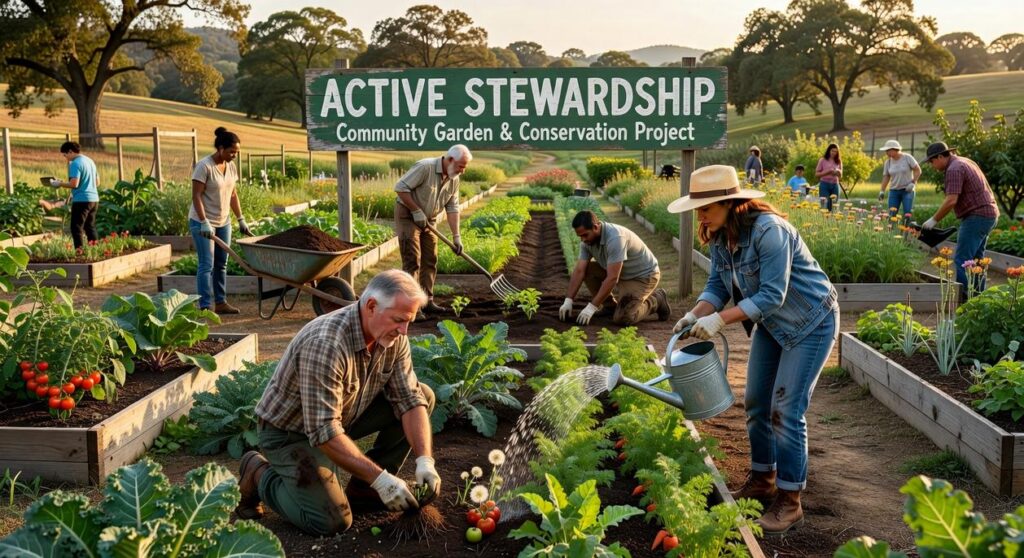
The Preservationist’s Toolkit: Principles for Active Stewardship

“Leave No Trace” is a good start. But modern backcountry travel demands more than good intentions and a granola bar wrapper stuffed in your pocket. Active stewardship means thinking ahead, traveling light, and yes—packing out that orange peel you swear is biodegradable (it is… in about two years).
Pack It In, Pack It Out—ALL OF IT
Food scraps attract wildlife, alter animal behavior, and turn pristine camps into unofficial compost piles. Adopt a zero-excuses policy:
- Pack out fruit peels, apple cores, and nutshells
- Carry a sealed waste bag for micro-trash
- Do a final “idiot check” sweep before leaving camp (we’ve all been that idiot)
Biodegradable doesn’t mean invisible. If you wouldn’t toss it on your living room floor, don’t toss it in the forest.
Smarter Campsite Selection
Choose durable surfaces—rock, gravel, dry grass—at least 200 feet from water sources. This protects riparian zones (the lush areas hugging streams) that prevent erosion and filter sediment (U.S. Forest Service).
Consider lighter-impact sleep systems:
- Camp quilts reduce ground compression compared to bulky sleeping bags.
- Hammock camping, where appropriate, minimizes soil disturbance entirely.
Less footprint, more wilderness conservation access for everyone.
Water & Waste Done Right
Collect water from durable banks, avoiding fragile edges. For human waste, dig a 6–8 inch cathole at least 200 feet from water, trails, and campsites (Leave No Trace Center for Outdoor Ethics). Pack out toilet paper. Yes, REALLY.
The Ethic of Self-Sufficiency
Strong navigation and survival skills reduce rescue incidents—which often require helicopters, trail damage, and resource strain. Why risk turning your weekend hike into a full-scale production?
Prepared explorers leave nothing behind but stories—and maybe sore calves.
A Path Forward: Your Role in the Future of Wilderness
The core conflict isn’t hikers versus habitat. It’s ignorance versus intention. Some argue the only way to protect fragile landscapes is to lock them away completely. And yes, overuse has damaged places from Yosemite’s trails to Thailand’s beaches (the “Maya Bay effect” is real). But total restriction ignores a powerful truth: people protect what they understand. The solution isn’t isolation—it’s smarter exploration.
The path forward is dual. We use modern tools—GPS mapping, terrain analysis apps, lightweight filtration systems—to make informed decisions. At the same time, we commit to a strict personal ethic: pack it out, stay on durable surfaces, respect wildlife corridors. This balance strengthens wilderness conservation access without sacrificing preservation.
What’s in it for you? Better trips. Safer routes. Healthier ecosystems that remain open for future adventures. Responsible exploration keeps the wild both accessible and alive.
Every choice matters:
- The gear you pack determines your footprint.
- The path you take influences erosion and habitat health.
On your next outing, adopt one new low-impact habit—perhaps planning routes on durable terrain or minimizing campfire impact. Then share that knowledge with a fellow adventurer. (Conservation spreads faster than campfire stories.)
The future of wilderness isn’t decided in policy rooms alone. It’s decided by you, one thoughtful step at a time.
Take Your Next Step Underground
You came here to better understand cave trekking, navigation, and how to explore rugged terrain safely and responsibly. Now you have a clearer path forward — from reading cave formations and analyzing terrain to sharpening your survival awareness before every descent.
The real risk in cave exploration isn’t just the dark. It’s going in unprepared, misreading the environment, or overlooking the importance of wilderness conservation access that keeps these landscapes protected and open for future explorers. One wrong move can turn an unforgettable adventure into a dangerous situation.
You don’t have to figure it out alone.
If you’re serious about building real-world cave skills, improving your navigation confidence, and protecting the wild spaces you explore, start applying these strategies on your next outing and deepen your training with trusted outdoor guidance. We’re proud to be a go-to resource for practical cave trekking knowledge and field-tested survival insight.
Don’t wait until you’re underground to realize you needed more preparation. Strengthen your skills now, explore smarter, and make every expedition safer and more rewarding.