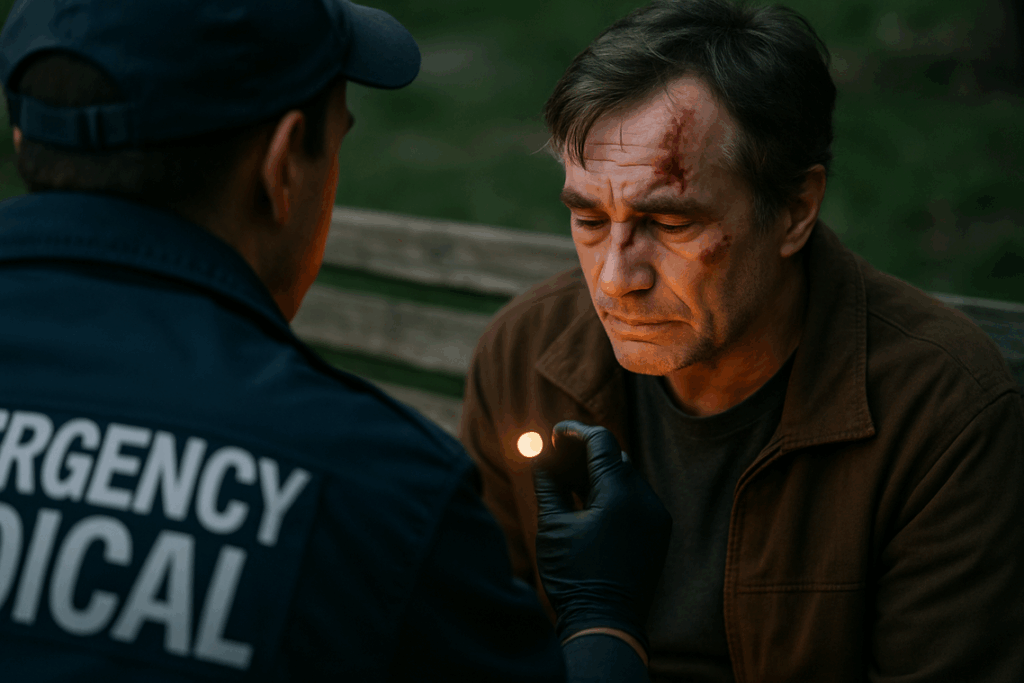
When you’re heading underground, preparation isn’t optional—it’s survival. If you’re searching for reliable guidance on cave expedition first aid, you likely want clear, practical steps that could make the difference in a high-risk, low-visibility environment. Cave systems present unique hazards: tight passages, falling debris, limited communication, and delayed rescue access. Standard outdoor first aid knowledge isn’t always enough.
This article is designed to meet that need directly. We break down the essential medical supplies to pack, the most common cave-related injuries, and how to respond effectively when professional help is hours away. From managing fractures in confined spaces to preventing hypothermia in damp conditions, you’ll gain actionable, field-tested insights.
Our guidance draws from established wilderness medicine principles, real-world cave trekking scenarios, and proven survival practices. By the end, you’ll understand not just what to carry, but how to think and act decisively when it matters most.
Mastering Cave First Aid: Your Guide to Subterranean Safety
Caving isn’t a scene from Indiana Jones, though it can feel like one when your headlamp flickers. Underground, a twisted ankle becomes a logistical nightmare. Darkness, cold, and dripping humidity sabotage ordinary care. That’s why cave expedition first aid demands adaptations: waterproof supplies, hypothermia wraps, redundant light, and communication plans. Think less “weekend hike,” more The Martian problem-solving.
Assess injuries by touch and calm dialogue. Prioritize airway, bleeding, and warmth. Stabilize fractures with splints made from trekking poles. Ration batteries. Stay methodical (panic is real villain). Prepare, rehearse, and respect cave.
Why Cave First Aid Is Different: Darkness, Cold, and Contamination
Hypothermia is the number one threat underground. Caves maintain temperatures close to the regional annual average—often 50–55°F (10–13°C) in many systems (National Park Service). Add constant dampness and conductive heat loss from rock, and the body cools up to 25 times faster in wet conditions than dry air (CDC). An injured, immobile person loses heat even faster. Prevention—insulation, dry layers, high-calorie intake—is primary treatment (yes, even before you splint).
Infection risk is higher than most people assume. Cave mud and guano can harbor bacteria like Leptospira and fungi linked to histoplasmosis (CDC: https://www.cdc.gov/fungal/diseases/histoplasmosis/). Even small abrasions can become serious without thorough irrigation and clean dressings. In cave expedition first aid, aggressive wound cleaning isn’t overkill—it’s standard.
Limited space and light change everything. Studies on low-light task performance show error rates rise significantly under constrained visibility. Working by headlamp in a crawlway means simplified assessments and deliberate movements (think surgeon-in-a-phone-booth energy).
Delayed rescue is the defining factor. Cave rescues routinely take 12–24+ hours, sometimes days, as documented by the National Cave Rescue Commission. Care must prioritize stabilization, warmth, hydration, and monitoring for the long haul—not a quick handoff.
Building Your Essential Subterranean First Aid Kit
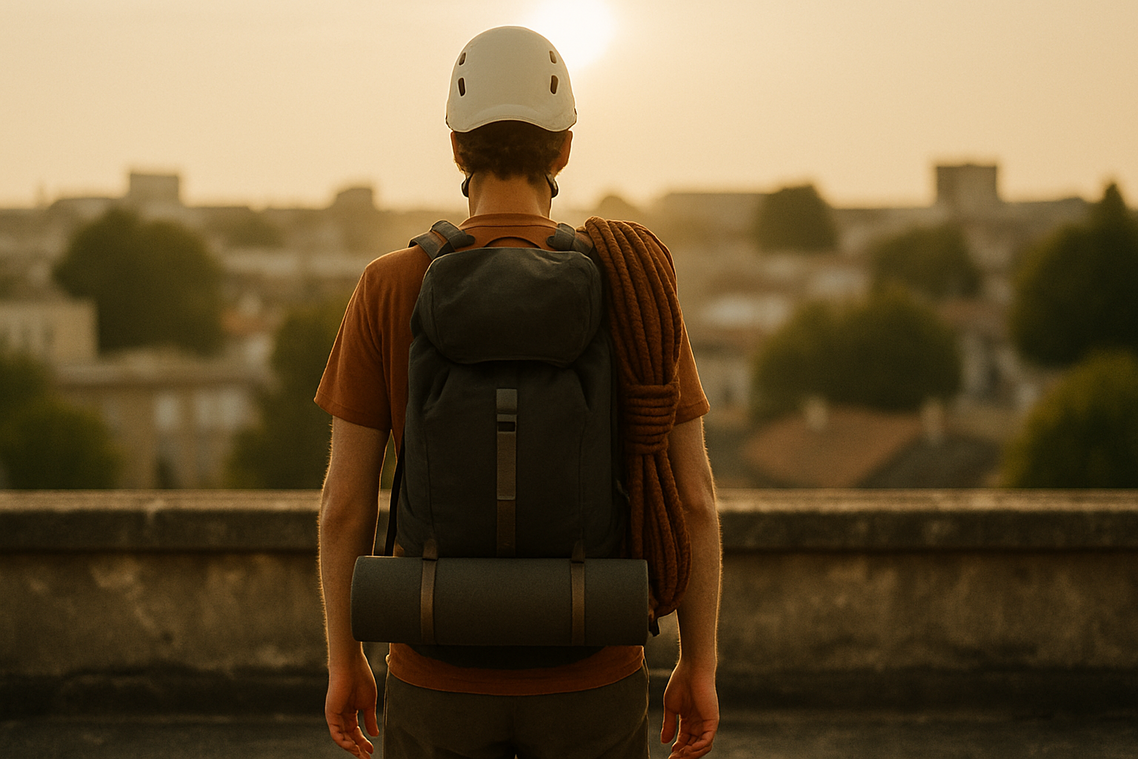
A decade ago, many cavers packed the same first aid kits they used for weekend hikes. It didn’t take long to realize that underground environments demand more. Cold, constant dampness, and total darkness change everything.
Start with the foundation:
- Assorted bandages
- Antiseptic wipes
- Gauze pads and wraps
- Over-the-counter pain relievers
These basics handle minor cuts and scrapes. But caves aren’t forgiving. Slippery limestone and tight squeezes mean sprains, fractures, and hypothermia are real risks.
That’s where cave-specific upgrades come in. Add a full-size emergency blanket (hypothermia can set in within hours in wet systems), a large irrigation syringe for flushing grit from wounds, a SAM splint for fractures, and heavy-duty waterproof medical tape that actually adheres in damp air. (Regular tape gives up fast underground.)
Light and calories matter too. Pack a backup headlamp and extra batteries inside the kit. Include high-calorie bars or gels for both patient and rescuer—energy crashes are common after long extractions.
Waterproof storage is non-negotiable. Use a dry bag or hard-sided waterproof case to protect your cave expedition first aid supplies.
For broader preparation strategies, review this beginners guide to safe cave trekking preparation before your next trip.
Pro tip: Check and refresh supplies every six months—even unopened items degrade in humid conditions.
The C.A.V.E. Protocol: Immediate Steps for Any Injury
The first time I had to use the C.A.V.E. Protocol, it wasn’t during a dramatic rescue scene—it was after a simple slip on wet limestone. One misplaced step, a sharp yelp, and suddenly training had to override adrenaline. That’s the reality of cave expedition first aid: calm decisions beat panic every time.
C — Control the Scene & Stay Calm
First things first, control the environment. Before touching the injured person, scan for loose rocks, unstable footing, or flowing water. Then pause. Take one slow breath. (It feels almost ridiculous, but it works.) When you steady yourself, everyone else follows your lead.
A — Assess the Injury
Next, assess methodically. In low light, your hands are often more reliable than your eyes. Conduct a gentle head-to-toe check for bleeding, deformities, or swelling. Then use your headlamp to confirm what you’re feeling. Ask simple questions—“What’s your name?” “Where does it hurt?”—to gauge mental clarity. In my case, a clear answer told me we weren’t dealing with a head injury.
V — Vital Functions (Especially Warmth)
However, injury is only half the battle underground. Cold seeps in fast. Insulate the person from the ground with a rope bag or backpack. Wrap them in an emergency blanket. Hypothermia—dangerous body heat loss—can escalate quietly, even when injuries seem minor.
E — Evacuate or Wait
Finally, decide: assist a slow exit or stabilize and send for help? Some argue evacuation should always be immediate. Yet rushing can worsen fractures or shock. Thoughtful judgment, not speed, is what truly saves lives.
How to Handle Common Caving Injuries
In the dark, uneven world of caves, injuries can escalate fast (this isn’t an Indiana Jones stunt double moment). Knowing cave expedition first aid basics can make the difference between a rough trip and a rescue call.
-
Fractures & Severe Sprains
A fracture is a broken bone; a sprain is stretched or torn ligaments (the tough bands connecting bones). The priority is immobilization—keeping the injured area still to prevent further damage. Use a SAM splint, a lightweight moldable brace, or improvise with trekking poles. Secure firmly, then check circulation by pressing a fingernail or toenail until it blanches; color should return within two seconds. -
Cuts & Abrasions
Caves are gritty. Irrigate aggressively with treated water to remove debris, apply antiseptic, and seal with a sterile dressing. -
Minor Head Injuries
Monitor for concussion symptoms: confusion, nausea, light sensitivity. Any loss of consciousness? That’s your cue to exit and seek help—no “walk it off” heroics.
Preparedness is your most important piece of gear because the cave itself is the primary threat, amplifying even minor injuries. In simple terms, hypothermia—a dangerous drop in core body temperature—can turn a sprained ankle into a life-threatening crisis. Therefore, managing cold exposure and making clear-headed evacuation decisions must come first. The C.A.V.E. protocol, a step-by-step framework for cave expedition first aid, helps you think under stress (when your brain wants to panic). Some argue that carrying more gear is enough; however, without training, tools are just weight. Before your next trip, take a Wilderness First Aid course and practice.
Before you embark on your next thrilling cave adventure, arm yourself with essential first aid tips to ensure safety in the wild, especially as emerging technologies are also reshaping outdoor navigation, making it easier to find help when you need it most – for more details, check out our Emerging Technologies Transforming Outdoor Navigation.
Ready for Your Next Underground Adventure?
You set out to understand how to explore caves more safely, navigate unpredictable terrain, and prepare for the unexpected. Now you have a clearer picture of what it takes—from reading rock formations to packing smart gear and mastering cave expedition first aid when things go wrong.
Cave environments are unforgiving. One wrong step, poor planning decision, or lack of preparation can turn an exciting trek into a dangerous situation. That risk is real—but it’s manageable when you’re properly equipped with the right knowledge and strategy.
Now it’s time to act. Review your gear checklist, refresh your emergency response plan, and sharpen your navigation skills before your next descent. If you’re serious about safer, smarter cave exploration, dive deeper into our expert-backed guides and proven techniques trusted by thousands of outdoor adventurers.
Don’t leave your safety to chance. Equip yourself with the skills that keep you prepared, confident, and in control underground—start preparing today.