
Planning a cave trek or rugged outdoor expedition changes with the seasons—and so should your gear. If you’re searching for a clear, practical seasonal gear checklist that actually prepares you for shifting terrain, temperature swings, and underground hazards, you’re in the right place. This guide breaks down what to pack, what to upgrade, and what to leave behind as conditions evolve throughout the year.
Outdoor environments don’t forgive poor preparation. From moisture-heavy cave systems in spring to brittle rock and freezing surfaces in winter, each season demands specific adjustments in clothing, lighting, navigation tools, and safety equipment. Missing even one essential item can turn an exciting trek into a risky situation.
This article draws on proven survival principles, terrain analysis best practices, and field-tested gear recommendations to ensure accuracy and reliability. By the end, you’ll know exactly how to adapt your loadout for safety, efficiency, and confidence in any season.
Gear up for any season and the difference between epic and miserable often comes down to equipment. Think of it as preparation versus improvisation: A well-packed kit vs. a hopeful backpack. Spring demands waterproof shells and gaiters; summer favors breathable layers and sun shields. Autumn? Insulation and traction. Winter requires thermal systems and avalanche awareness tools. Skip swaps and you risk blisters or worse (frostbite is not cinematic). Use this seasonal gear checklist to compare:
- Lightweight trail runners vs. insulated boots
- Down jacket vs. moisture-wicking hoodie
- Microspikes vs. trekking poles
Pro tip: weigh safety margins over ounces.
The All-Season Foundation: Your Year-Round Essentials
Before you tweak your pack for summer heat or winter ice, you need a dependable core. Think of it as your wilderness insurance policy (the kind you hope you never fully “use”). A strong foundation means fewer emergencies—and far more confidence when plans change.
Here’s the non-negotiable base of any seasonal gear checklist:
- Comprehensive first-aid kit (for everything from blisters to real emergencies)
- Reliable navigation tools: map, compass, and GPS device/phone
- Quality multi-tool or knife
- Headlamp with extra batteries
- Emergency shelter or space blanket
- Water filter or purification tablets
What’s in it for you? Safety, self-reliance, and the freedom to explore farther with less fear. Reliable navigation alone significantly reduces search-and-rescue incidents caused by disorientation (National Park Service).
Invest in quality here. These aren’t accessories—they’re your lifeline. Pro tip: test every item before your trip. Confidence in your gear turns uncertainty into capability.
Spring Trekking: Gearing Up for Mud, Rain, and Renewal
To ensure your outdoor adventures remain safe and enjoyable, regularly updating your seasonal gear checklists not only enhances performance but also significantly extends equipment lifespan, much like the insights shared in our in-depth review of Yiganlawi‘s latest offerings.
Spring trekking isn’t just “wet hiking.” It’s a full terrain shift. Melting snow turns familiar paths into mud corridors, and temperature swings can jump 30°F between sunrise and mid‑afternoon (NOAA notes spring as one of the most variable seasons in North America). That unpredictability is where most guides stop short.
Here’s what they often miss: moisture management matters more than insulation. Once you’re wet—from rain or sweat—you lose heat up to 25 times faster than dry conditions (CDC data on hypothermia risk).
Clothing System
- Waterproof/breathable rain jacket and pants
- Moisture-wicking synthetic or wool base layers
- Fleece mid-layer for adaptable warmth
Pro tip: Vent early. Unzip before you overheat (not after you’re soaked).
Footwear & Accessories
- Waterproof boots with aggressive traction
- Gaiters to block mud and debris
Aggressive lugs aren’t just for grip—they shed mud with each step, preventing that “five-pounds-per-boot” feeling.
Essential Gear
- Trekking poles for stability on slick ground
- Waterproof pack cover or internal dry bags
Think beyond basics. Add a compact sit pad for wet breaks and microspikes for lingering ice patches—items rarely listed on a seasonal gear checklist but game-changers in shoulder season conditions.
Summer Expeditions: Staying Cool, Hydrated, and Protected
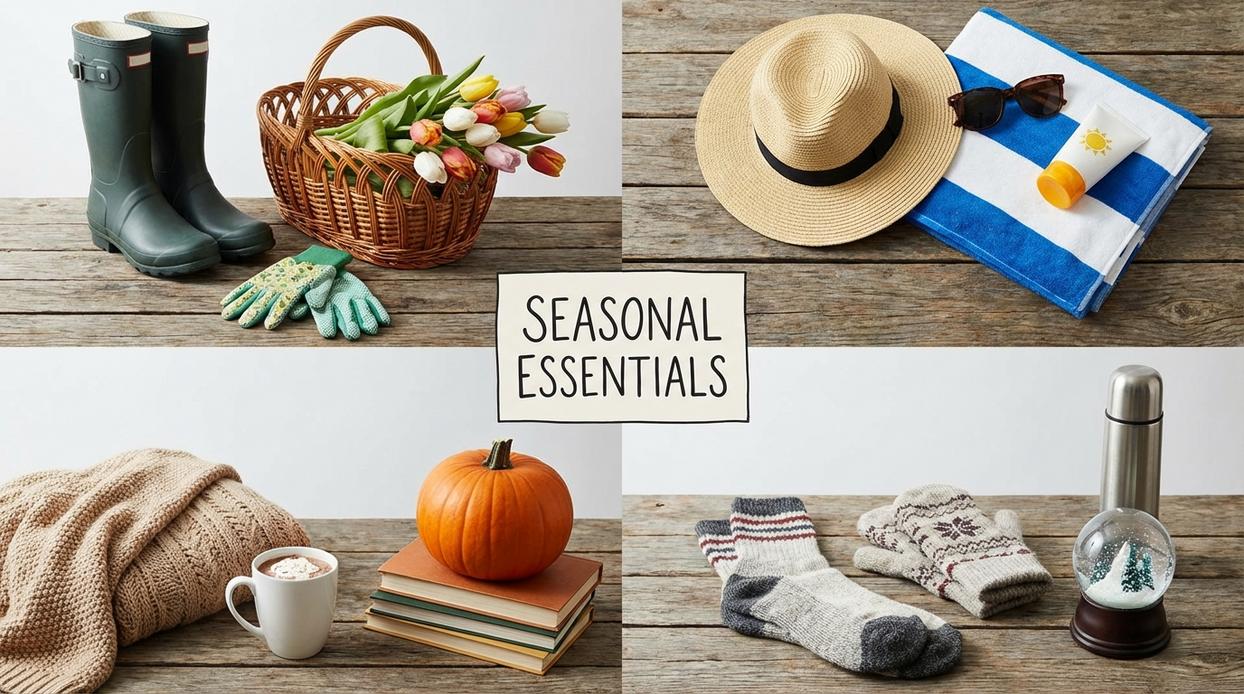
Stay Ahead of Heat before it sidelines your trip. Summer’s biggest threats are heat exhaustion (when your body overheats and can’t cool itself efficiently), dehydration, UV exposure, and relentless insects. The fix? A simple, repeatable system.
Clothing System
Choose lightweight, loose, light-colored layers made from breathable fabrics like merino wool or technical synthetics. Long sleeves and pants with a high UPF (Ultraviolet Protection Factor) rating block harmful rays—dermatologists note tightly woven fabrics significantly reduce UV penetration (Skin Cancer Foundation). Add a wide-brimmed hat and UV-blocking sunglasses. (Yes, you’ll look expedition-ready. That’s the point.)
Hydration & Nutrition
Carry more water than you think you need—at least 0.5–1 liter per hour of moderate hiking in heat (CDC guidance). Use a large reservoir plus backup bottles. Add electrolyte tablets to replace sodium lost through sweat and prevent cramps.
Essential Gear
Pack sweat-resistant SPF 30+ sunscreen and reapply every two hours. Choose insect repellent with DEET or picaridin (CDC-recommended). Review your seasonal gear checklist and inspect items like how to properly clean and store hiking boots before heading out.
Autumn Adventures: Mastering Layers for Crisp Days and Cold Nights
Autumn hiking is a study in contrasts—golden afternoons followed by bone-chilling evenings (the kind that make you question your life choices). As temperatures drop and daylight shrinks, preparation stops being optional and starts being essential.
Clothing System: Build Smart Layers
Start with a thermal base layer (moisture-wicking fabric worn against your skin to regulate body temperature). Add a fleece or wool mid-layer for insulation, then finish with a down or synthetic insulated jacket. Down offers superior warmth-to-weight ratio, while synthetic performs better in damp conditions (REI Co-op Expert Advice). Always carry a warm hat and gloves—heat loss from your head and hands is real.
Pro tip: Pack an extra dry base layer for camp. Changing into it feels like flipping a comfort switch.
Daylight Management
Shorter days demand an early start and a powerful headlamp—at least 300 lumens for reliable visibility (Outdoor Industry Association).
Essential Gear
Follow a seasonal gear checklist before every trip. Bring an insulated thermos, and ensure your sleeping bag and pad are rated for overnight lows. Cold ground drains warmth faster than air (National Park Service).
Winter Survival: Essential Equipment for Snow and Ice
Winter travel isn’t forgiving; therefore, your gear choices must be deliberate. Start with a layered clothing system—meaning moisture‑wicking base layers (to pull sweat off skin), insulating mid‑layers like fleece, and a waterproof, insulated shell. In real terms, that’s the difference between finishing a hike strong and shivering at mile two (and yes, it happens fast). Add a balaclava, insulated gloves or mittens, and thick wool socks—non‑negotiable.
Next, match traction to terrain. Microspikes—small chains and spikes that grip ice—work for packed trails, while crampons handle steeper, harder ice. For deep powder, choose snowshoes to prevent post‑holing (sinking knee‑deep with every step).
In avalanche terrain, carry a beacon, shovel, and probe, and know how to use them. Finally, use insulated bottle covers to stop freezing. Pro tip: review a seasonal gear checklist before every trip—it’s boring, but so is frostbite.
Your next adventure awaits, but preparation makes it unforgettable. Start by reviewing your seasonal gear checklist to ensure clothing, lighting, navigation tools, and emergency supplies match current conditions. Next, compare your pack against weather forecasts and trail reports; small updates, like extra layers or water filtration, can prevent big problems. Finally, test critical gear at home. With a thoughtful audit and smart adjustments, you’ll head outdoors confident, capable, and ready for whatever the trail brings.
Ready for Your Next Cave Trek
You came here to understand how to prepare smarter, travel safer, and explore with more confidence beneath the surface. Now you know how proper planning, terrain awareness, navigation skills, and the right equipment work together to reduce risk and elevate your entire cave trekking experience.
The biggest mistake explorers make isn’t lack of courage — it’s lack of preparation. Poor gear choices, weak route planning, and ignoring environmental conditions can quickly turn an exciting descent into a stressful situation.
Before your next trip, review your seasonal gear checklist carefully. Double-check your lighting systems, backup supplies, navigation tools, and terrain-specific equipment. Small details make the biggest difference underground.
If you want deeper insights, proven trekking strategies, and expert-tested outdoor guidance trusted by serious adventurers, start exploring our latest resources now. Equip yourself properly, plan with confidence, and make your next cave expedition your safest and most successful yet.