The allure of exploring the hidden world beneath our feet is powerful, but caves are unforgiving environments where small mistakes can have serious consequences. If you’re planning an underground adventure, your priority should be understanding the real risks and mastering cave hazard prevention before you ever step inside. This guide directly addresses how to identify, prepare for, and avoid the most common dangers found in caves—from unstable terrain to disorientation and environmental threats. Drawing on extensive field experience in subterranean navigation and survival, we provide a practical, actionable checklist to help ensure your exploration is safe, controlled, and memorable for the right reasons.
Pre-Trip Planning: Your First Line of Defense
By understanding cave hazards and implementing effective risk prevention techniques, outdoor enthusiasts can enhance their safety when exploring these dark wonders, just as maintaining wildlife awareness is essential for backcountry travelers to navigate their adventures responsibly – for more details, check out our Wildlife Awareness Strategies for Backcountry Travelers.
A few years ago, I nearly walked into a flooded limestone system because the sky above the entrance was blue and harmless-looking. What I didn’t see was the storm that had rolled through the watershed the night before. That close call taught me this: the most critical safety work happens before you ever see the cave entrance.
First, research the specific cave. Is it a wild cave (undeveloped and natural) or a show cave (commercially managed with built-in paths)? Wild caves demand route-finding skills, physical scrambling, and serious cave hazard prevention planning. Read recent trip reports and note hazards like unstable rock or seasonal flooding. Conditions underground change faster than movie plot twists (yes, even faster than a Stranger Things finale).
Next, analyze weather and water levels. A storm miles away can trigger flash flooding inside the system. Check forecasts for the entire watershed, not just the parking lot.
Finally, establish a communication plan. Never cave alone. Go with a small, experienced group, and leave a detailed route plan plus a hard call-out time with someone reliable. Pro tip: write it down, don’t just text it.
Preparation isn’t paranoia. It’s survival.
Gearing Up: More Than Just a Flashlight
In a cave, your gear isn’t “nice to have.” It’s your lifeline. I recommend following two non-negotiables: redundancy (having backups) and durability (equipment that can take a beating). If it can fail, assume it eventually will.
The Rule of Three for Lighting
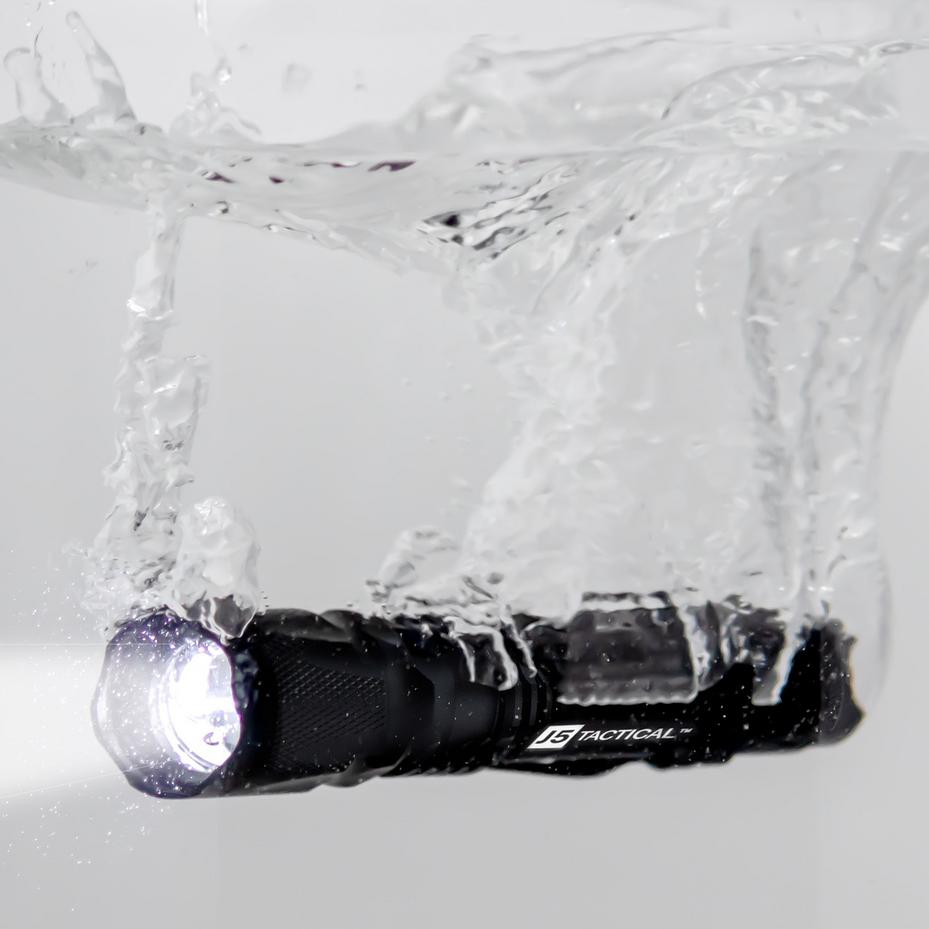
Your primary light should be a bright, helmet-mounted LED headlamp—hands-free movement is critical when you’re scrambling or crawling. Then carry two completely independent backup lights with fresh batteries. “Independent” means separate power sources, not just an extra cord. Total darkness underground is a life-threatening hazard (think power outage, but with cliffs). Pro tip: store one backup in a waterproof pouch to prevent battery corrosion.
Personal Protective Equipment (PPE)
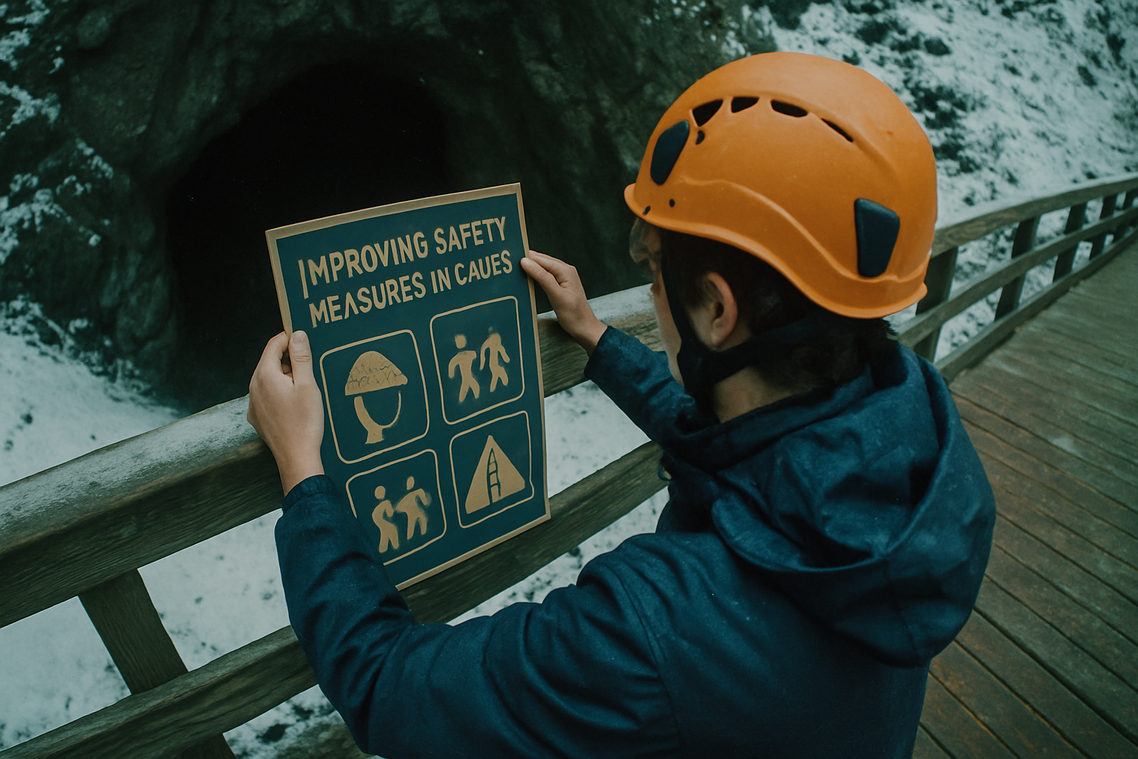
A helmet is mandatory. Falling rocks and low ceilings don’t announce themselves. Choose sturdy, ankle-supporting boots with aggressive tread for slick mud and wet stone. Gloves protect both your hands and delicate cave formations. Dress in synthetic layers—materials like polyester wick moisture away. Cotton absorbs water and accelerates hypothermia (and nobody wants to star in their own survival drama).
Navigation and Survival Essentials
Bring a physical map if available and a compass. GPS signals rarely penetrate rock. Your pack should include a basic first-aid kit, extra high-energy food, water with a purifier, and an emergency space blanket. Review these must know first aid tips for remote cave adventures before heading out.
Preparation is the best form of cave hazard prevention. Choose gear deliberately, test it beforehand, and never compromise on safety.
Inside the Cave: Recognizing and Reacting to Threats
Once inside a cave, situational awareness—your continuous understanding of your surroundings and risks—is everything. Some argue that modern headlamps, GPS tools, and marked routes make underground travel far safer than it used to be. And yes, technology helps. But batteries die. Markers shift. Water rises. Complacency, not darkness, is often the real enemy (nature doesn’t care how new your gear is).
Preventing Getting Lost: This remains the most common serious hazard. Even experienced trekkers can become disoriented in winding passages that look eerily similar—like nature copy-pasted the same corridor. Look back frequently to memorize the route from the return perspective. At every junction, make a conscious decision and ensure everyone agrees on direction. If uncertainty creeps in, backtrack immediately to your last confirmed point. Some explorers claim pushing forward is faster than retracing steps. Statistically, that’s how small mistakes become search-and-rescue calls (see National Speleological Society safety reports).
Mitigating Slips, Trips, and Falls: Assume every surface is slick. Limestone, mud, and algae create near-invisible hazards. Maintain three points of contact—two feet and one hand, or two hands and one foot—when climbing. Test each hold before shifting weight. It may feel overly cautious, but gravity has no sympathy.
Avoiding Water Dangers: Even “dry” caves hold moisture that can trigger hypothermia—a dangerous drop in body temperature below 95°F (CDC). Do not cross deep or fast-moving water without training. Watch for debris lines or rising flow.
Managing Tight Spaces: Before entering a squeeze, evaluate carefully. Remove your pack and push it ahead. Exhale to compress your chest. Critics say tight crawls are mostly mental barriers. True—but panic accelerates oxygen use and clouds judgment. Calm breathing is essential cave hazard prevention.
Mastering the Darkness Through Preparation
You set out to understand how to navigate the underground world safely, and now you know the truth: the real threat isn’t the dark—it’s poor preparation. By focusing on cave hazard prevention, you shift from reacting to danger to actively controlling it. Thorough planning, redundant gear, steady decision-making, and respect for the terrain turn uncertainty into confidence.
The pain point for most explorers is simple—one overlooked detail can turn an adventure into a crisis. That’s why preparation isn’t optional. It’s the difference between a powerful story and a preventable emergency.
Now it’s your move. Before your next descent, review your gear, refine your route plan, and refresh your safety protocols. Use proven strategies trusted by seasoned trekkers and survival experts who prioritize preparation first.
Don’t leave safety to chance. Equip yourself, plan thoroughly, and step underground with confidence on your next expedition.