Cave trekking sounds thrilling, right? But let me be honest, it’s not just about the adventure. The mistakes new cave trekkers make can turn this dream into a nightmare.
Trust me, I’ve seen it. Picture this: you’re deep underground, the light’s fading, and you realize you’re lost. Panic sets in.
Sounds dramatic, but it’s all too common.
Why do folks keep tripping over the same errors? Maybe it’s the excitement blinding them. Or maybe it’s the lack of proper guidance.
You might wonder, isn’t there a way to avoid these pitfalls? Absolutely. And we come in.
We dive into the nitty-gritty from terrain analysis to navigation skills. We bring takeaways gained from experts who’ve navigated the trickiest caves. In this article, you’ll get the lowdown on what you need to avoid (and why) to make your cave trekking safe and memorable.
Ready to learn? Let’s get started.
The Gear Graveyard: Underestimating Your Lifeline
Alright, let’s get real. Your gear is more than just stuff you carry. It’s an extension of your body, your lifeline.
And don’t kid yourself (it’s) the only thing keeping you alive down there. Caves aren’t just rocks and darkness; they’re actively trying to break everything you’ve got. Ever heard of the “Trinity of Light”?
It’s not about just bringing a backup light. You need three independent light sources, each with enough batteries for twice your planned trip. One headlamp isn’t cutting it.
What if it fails halfway through? Are you going to stumble around in the dark, hoping not to trip into a pit?
Cheap gear will betray you. Do you really think a flimsy backpack will hold up when it snags on jagged rocks? Picture this: you’re crawling through a tight space, and your pack tears open.
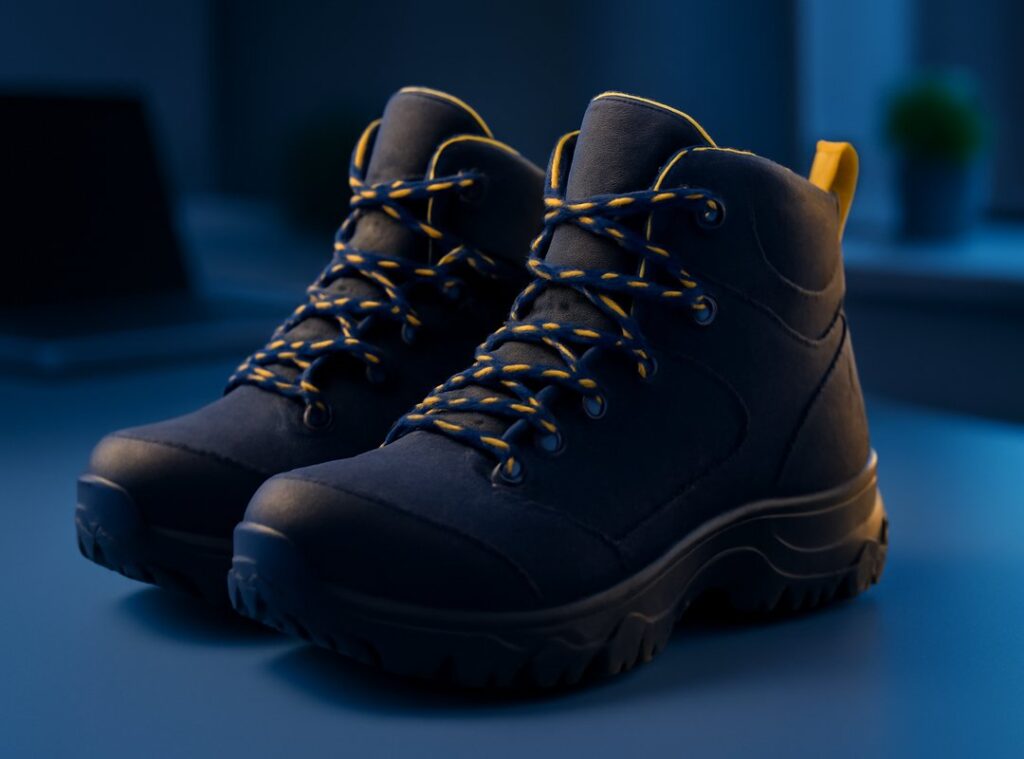
Everything spills out. Disaster. Boots with poor grip?
Might as well ice skate on that slick rock. And helmets? They aren’t just fashion statements.
A properly rated helmet can mean the difference between a headache and a hospital visit. So, skip the dime-store options. Mistakes new cave trekkers make often revolve around this kind of penny-pinching.
And comfort? It’s not just a luxury. It’s important.
Water, high-energy food, and a compact emergency blanket. These are your antidotes to hypothermia and dehydration, both silent killers underground. Even in temperate caves, you can find yourself shivering and dry-mouthed.
It’s not glam, it’s survival.
Want to know more about the important gear first time cave trekkers should carry? Dive into it. Don’t ignore the warnings.
Your life could depend on it.
Mindset Traps: Your Brain’s Worst Enemy
Let’s cut through the fluff. Mindset traps are the sneakiest and most dangerous mistakes new cave trekkers make. They’re the deadly errors nobody talks about (but should).
Ever heard of Get-There-Itis? It’s that constant urge to push forward, to see the “end” of the cave. You know, like a siren’s call that lures you deeper and deeper into a world of trouble.
It sounds dramatic, but ignoring turnaround times, fatigue, and worsening conditions can be your downfall.
Think about it. Do you really believe “It Won’t Happen to Me”? Overconfidence is your enemy.
It blinds you to the cave’s power, making you skip basic safety protocols. That’s a rookie move. This hubris can lead to catastrophic consequences.
Simple tasks become Herculean when panic sets in. It’s like trying to tie your shoe underwater. Impossible, right?
The cave environment plays mind games. Sensory deprivation, claustrophobia, disorientation. It’s a psychological battlefield.
Keeping a calm mind isn’t just a nice-to-have. It’s your survival tool. Panic takes small issues and blows them into life-threatening crises.
A calm mind is your shield against chaos.
I’ve seen trekkers fall victim to these traps. They think they’re invincible (spoiler: they’re not). They forget humility and respect for the environment.
It’s key to learn from past mistakes. Remember, these traps aren’t unique to caves. They’re a universal human tendency.
Even seasoned explorers can fall prey.
Speaking of exploration, want to avoid making rookie errors on your next adventure? Check out the mount kilimanjaro trekking mistakes you should avoid. It’s all about keeping your ego in check and your head on straight.
Don’t be the hero who gets humbled by a cave. Respect the journey, and remember: your brain can be your worst enemy or your greatest ally.
Navigational Nightmares: Lost in a World Without a Sky
Let’s start with a harsh truth: your GPS is useless down here. Seriously, underground that thing’s just a camera. When you’re caving, all you have is your brain, a map, and a compass.

If you forget those, you’re just another statistic waiting to happen.
Ever notice how people wander aimlessly, thinking it’s all fun and games? Passive exploration is a rookie mistake. You must actively observe everything around you.
Memorize unique formations. Note junctions. Always look back to see what your return path looks like. (Trust me on this).
Then there’s the sketch map. Or lack thereof. Too often, new trekkers fail to survey and map their route.
Every passage starts to look the same after a while, leading to those terrifying fatal loops. Have you ever been lost in a cave, realizing every corner seems identical? It’s a nightmare.
A simple sketch with marked junctions can save your life, period.
Let’s talk about ‘The Golden Rule.’ You never lose sight of a known point. This means you don’t push into unknown passages without a plan or a secure anchor point. Secure anchor point?
Yes, a place you can always return to when things get dicey.
Non-permanent markers can be a lifesaver at complex intersections. But here’s the kicker: these markers have to be removed on your way out. Imagine leaving a trail of confusion for the next group.
It’s irresponsible.
And hey, while you’re busy avoiding these mistakes, remember there’s more to caving than just navigation. Like staying hydrated. (Yes, even in caves). You might want to check out Finding Safe Drinking Water Caves.
Because getting lost isn’t the only threat. Dehydration can sneak up on you too.
Avoid these mistakes new cave trekkers make, and maybe (just) maybe (you’ll) make it out in one piece.
The Lone Wolf Fallacy: Why Solo Acts Sink Teams
Forget the romantic notion of the lone explorer. Caving is not a solo gig. It’s a team sport where one weak link can ruin everything.
The number one blunder? Not having a rock-solid surface plan. You’d think it’s common sense, right?
Leave a detailed trip plan with someone reliable. Include location, exit time, and a firm call-out time. This isn’t optional.
You need clear, concise signals. Make sure everyone is on the same page at every turn. It’s not just a suggestion; it’s survival 101.
Inside the cave, poor communication is a killer. Shouting? Useless.
And don’t get me started on splitting the party. It’s like watching a horror movie and screaming, “Don’t go down there alone!” Splitting up in a cave violates every rule of safe caving. It ramps up the risk exponentially.
Seriously, why tempt fate?
These aren’t just mistakes new cave trekkers make; they’re fundamental errors. Avoid them, and you’ve got a fighting chance. Ignore them, and you’re in deep trouble.
Remember, in caving, teamwork isn’t just nice; it’s necessary.
Ready to Rise to the Surface?
Ever notice how the wild, unforgiving nature of caves preys on the unprepared? It’s not just about gear. It’s all in the mindset, navigational discipline, and team cohesion.
You’ve got what it takes to avoid the mistakes new cave trekkers make. You’re armed with knowledge now.
So, what’s next? Dive deeper into cave safety, practice in controlled environments, and respect the wild world beneath your feet. Your journey starts here.
Ready to explore without fear? Check out the resources and take the first step toward safe cave exploration. The world below awaits you.
 Trevana Dornhaven writes the kind of outdoor gear maintenance tips content that people actually send to each other. Not because it's flashy or controversial, but because it's the sort of thing where you read it and immediately think of three people who need to see it. Trevana has a talent for identifying the questions that a lot of people have but haven't quite figured out how to articulate yet — and then answering them properly.
They covers a lot of ground: Outdoor Gear Maintenance Tips, Cave Trekking Basics and Survival Skills, Horizon Headlines, and plenty of adjacent territory that doesn't always get treated with the same seriousness. The consistency across all of it is a certain kind of respect for the reader. Trevana doesn't assume people are stupid, and they doesn't assume they know everything either. They writes for someone who is genuinely trying to figure something out — because that's usually who's actually reading. That assumption shapes everything from how they structures an explanation to how much background they includes before getting to the point.
Beyond the practical stuff, there's something in Trevana's writing that reflects a real investment in the subject — not performed enthusiasm, but the kind of sustained interest that produces insight over time. They has been paying attention to outdoor gear maintenance tips long enough that they notices things a more casual observer would miss. That depth shows up in the work in ways that are hard to fake.
Trevana Dornhaven writes the kind of outdoor gear maintenance tips content that people actually send to each other. Not because it's flashy or controversial, but because it's the sort of thing where you read it and immediately think of three people who need to see it. Trevana has a talent for identifying the questions that a lot of people have but haven't quite figured out how to articulate yet — and then answering them properly.
They covers a lot of ground: Outdoor Gear Maintenance Tips, Cave Trekking Basics and Survival Skills, Horizon Headlines, and plenty of adjacent territory that doesn't always get treated with the same seriousness. The consistency across all of it is a certain kind of respect for the reader. Trevana doesn't assume people are stupid, and they doesn't assume they know everything either. They writes for someone who is genuinely trying to figure something out — because that's usually who's actually reading. That assumption shapes everything from how they structures an explanation to how much background they includes before getting to the point.
Beyond the practical stuff, there's something in Trevana's writing that reflects a real investment in the subject — not performed enthusiasm, but the kind of sustained interest that produces insight over time. They has been paying attention to outdoor gear maintenance tips long enough that they notices things a more casual observer would miss. That depth shows up in the work in ways that are hard to fake.