
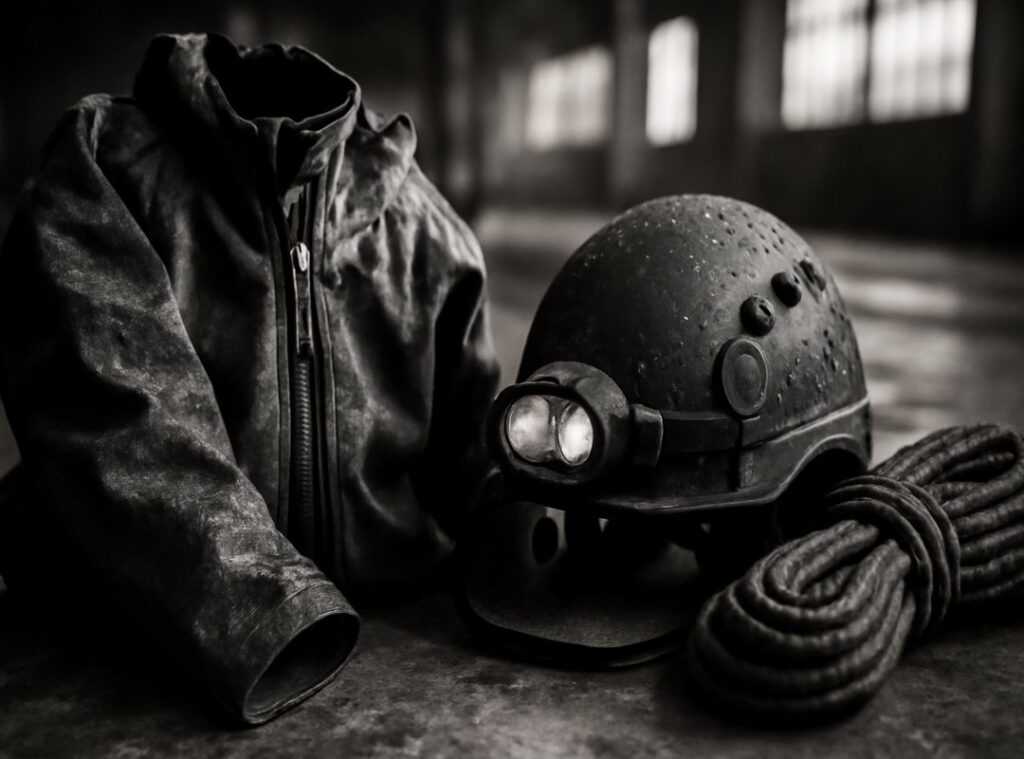
Imagine that first cold droplet hitting your neck in the pitch-black of a cave. You know what’s coming: you’re about to get soaked. And let’s be real, in a cave, water isn’t just uncomfortable.
It’s a danger, a shortcut to hypothermia and gear failure.
I’ve been in those caves, from slightly damp to fully submerged, and believe me, you want the right gear. This isn’t about theory. This is about survival and confidence.
So, let’s cut to the chase. You need waterproof cave equipment. The kind that keeps you dry and safe.
Because without it? You’re risking more than just discomfort. You’re risking safety and sanity.
This guide will arm you with practical strategies and gear knowledge. You’ll learn how to build a reliable system, ensuring you’re prepared to face those dark, wet passages.
The Caver’s Dilemma: Water-Resistant vs. Waterproof
We need to talk about a common mistake: treating “water-resistant” and “waterproof” like they’re the same. They’re not. Water-resistant means the material can handle a splash or two but won’t hold up under real pressure.
Waterproof means the thing is sealed. Think of it like a submarine instead of a raincoat.
But here’s the twist. In wet caving, just blocking water isn’t enough. It’s more about managing moisture and staying warm.
Imagine a rain jacket. Great until it isn’t (when it eventually fails and you’re soaked). Instead, think like a diver’s wetsuit (a) bit of water can actually keep you warm. quick-drying, hydrophobic materials come in.
Let’s talk materials. Synthetic fabrics like polyester and polypropylene are your best friends here. They don’t hold water, dry fast, and help manage sweat. Cotton?
Forget it. Once wet, it stays wet, sucking warmth away from your body. It’s dangerous (ever) heard “cotton kills”?
It’s not just a saying.
Now, if you’re dealing with any issues on your gear, this diy cave gear repairs important know how is a lifesaver. Knowing how to fix your waterproof cave equipment can keep you safe and dry.
So, next time you’re prepping for a caving adventure, choose your gear wisely. Water-resistant and waterproof are not interchangeable. Understand the environment you’re diving into and gear up accordingly.
It might just make all the difference.
Building Your Personal Armor: The Wet Caving Layering System
When you’re heading into the depths, the right gear isn’t just smart. It’s important. Let’s break down the wet caving layering system, starting with the base layer.
This is your second skin. You need synthetic, moisture-wicking long underwear here. Why synthetic?
Because it pulls sweat and water away from your skin, keeping you warm. Evaporative cooling is your enemy in a cave. Look for polyester or polypropylene blends.
They’re the champs at this.
Next up, the mid-layer. Insulation is the name of the game. Fleece or other synthetic materials work best.
Ever tried wearing down or cotton when damp? It’s like carrying a soggy blanket. These synthetics retain heat even when wet.
That’s key when you’re miles from sunlight. You might think wool is old school, but it works. It’s naturally insulating, even when damp.
Now for the outer layer. This is where most people mess up. They think waterproof is the goal.
Wrong. You need a durable oversuit. Think cordura or nylon with reinforced knees and elbows.
It’s not about keeping all water out (impossible, really). It’s about resisting abrasion and shedding most water. Let those inner layers handle moisture management.
You want something that’s tough, not a delicate raincoat.
Don’t forget your feet. Boots with drain holes are often superior to so-called ‘waterproof’ ones. Why?
Because waterproof boots can trap water, turning them into lead weights. Not fun when you’re trying to stay upright. Pair them with wool or neoprene socks.
Trust me, your feet will thank you.
If you’re gearing up, check out waterproof cave equipment for more options. You need the right stuff out there. Don’t skimp.
Equip Your Pack: Gear That Survives the Drip
When it comes to caving, your gear will get wet. It’s not a question of if, but when. So, let’s talk about what you’re carrying rather than what you’re wearing.
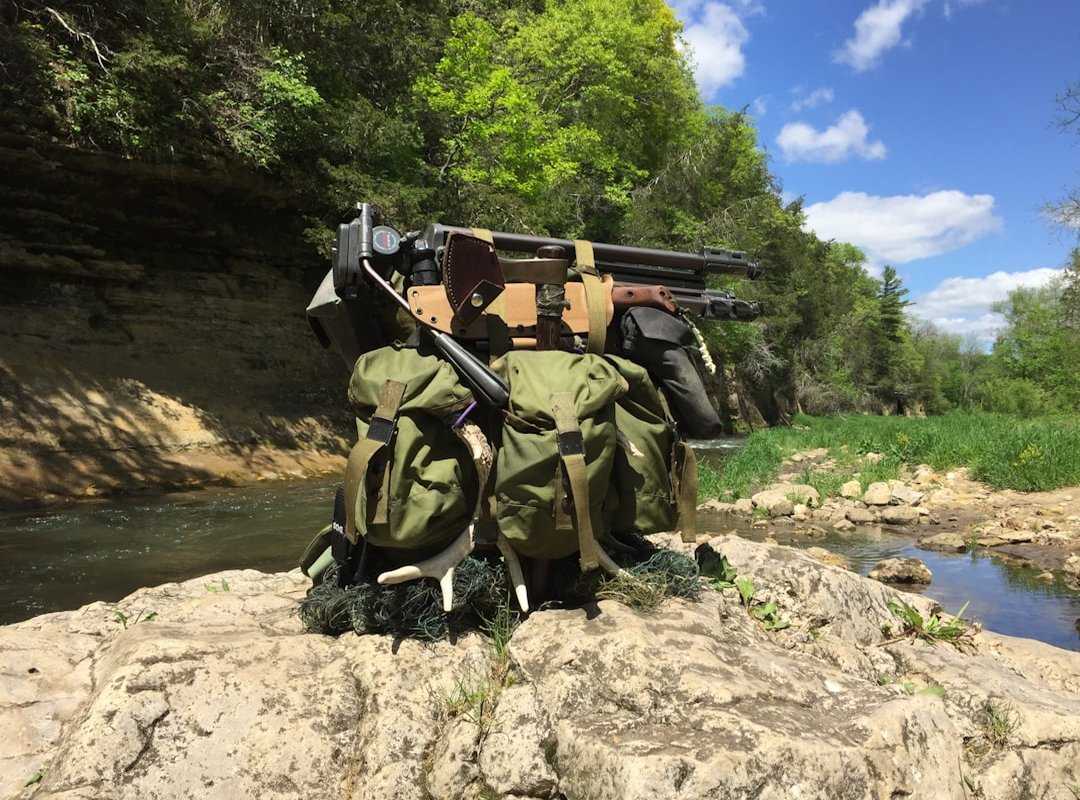
A solid caving pack is your first line of defense. Forget those flimsy hiking backpacks. You need something made of heavy-duty PVC or vinyl.
Why? They’re durable, water-resistant, and have no external pockets to snag on rocky edges. Simple as that.
You also need to think about what goes inside. Dry bags are your best friends here. Not just one giant one, but several smaller ones.
Compartmentalize like a pro. One for your first-aid kit. One for snacks.
One for backup lights and batteries. You get the idea. Keep your essentials dry and organized.
First-aid kits must stay sterile. Food needs to be edible, not soggy mush. And your personal items?
Now, let’s talk gloves. Water-resistant gloves like neoprene or nitrile-coated ones. They’re great for comfort and safety in wet, abrasive environments.
Totally ruined if they get soaked.
Your hands will thank you later. And don’t forget knee and elbow pads. They keep you from getting banged up while crawling through tight spots.
You’ll appreciate the extra padding.
For those looking to maintain their gear, check out routine maintenance outdoor climbing gear. It’s a useful read. Waterproof cave equipment is non-negotiable if you plan to survive the subterranean drip.
Skimp here, and you’ll pay the price. Being prepared makes all the difference. So, pack smart, stay dry, and keep exploring.
Just remember: wet gear is inevitable, but being unprepared is not.
Protecting Your Lifelines: Waterproof Cave Equipment
When you’re deep underground, your gear isn’t just helpful (it’s) important. If your light fails, you’re in immediate and serious trouble. You need a primary headlamp with a high IP rating like IPX7 or IPX8.
What does that mean? These ratings make sure your light can withstand heavy sprays and submersion. Durable housing and sealed battery compartments with O-rings are non-negotiable.
They’re your first line of defense against water damage.
Let’s talk lights. Ever heard of the “rule of three”? It’s not just a good idea; it’s survival.
You need a primary headlamp, a backup headlamp, and a small flashlight. Stash the backups in a completely separate, reliable dry bag with spare batteries. It’s the redundancy that saves lives, trust me.
Navigation tools are another story. Complex electronics can betray you when you need them most. A phone or GPS near an entrance?
Only if it’s in a high-quality waterproof case. But let’s be real: a compass and a laminated map are the real MVPs. They don’t care about water or battery life.
So, are you ready to trust your life to waterproof cave equipment? Your safety depends on it.
Dive Into the Depths Prepared
Caving isn’t about a single waterproof cave equipment item. It’s a system. Gear up smartly, or risk hypothermia and gear failure.
Sounds harsh? It’s reality. Quick-drying layers and redundant protections are your allies.
They free you to enjoy (not fear) the caves.
Want to savor the underground beauty instead of battling the cold? Audit your gear now. Use this guide.
Be ready before your next subterranean journey. The key? Preparation and foresight.
Check your equipment. Keep the environment secondary. Enjoy the adventure.
Now, go on. Dive deeper. Explore safely.
Focus on the awe around you.
 Geristober Quevedo writes the kind of cave navigation and terrain analysis content that people actually send to each other. Not because it's flashy or controversial, but because it's the sort of thing where you read it and immediately think of three people who need to see it. Geristober has a talent for identifying the questions that a lot of people have but haven't quite figured out how to articulate yet — and then answering them properly.
They covers a lot of ground: Cave Navigation and Terrain Analysis, Cave Trekking Basics and Survival Skills, Horizon Headlines, and plenty of adjacent territory that doesn't always get treated with the same seriousness. The consistency across all of it is a certain kind of respect for the reader. Geristober doesn't assume people are stupid, and they doesn't assume they know everything either. They writes for someone who is genuinely trying to figure something out — because that's usually who's actually reading. That assumption shapes everything from how they structures an explanation to how much background they includes before getting to the point.
Beyond the practical stuff, there's something in Geristober's writing that reflects a real investment in the subject — not performed enthusiasm, but the kind of sustained interest that produces insight over time. They has been paying attention to cave navigation and terrain analysis long enough that they notices things a more casual observer would miss. That depth shows up in the work in ways that are hard to fake.
Geristober Quevedo writes the kind of cave navigation and terrain analysis content that people actually send to each other. Not because it's flashy or controversial, but because it's the sort of thing where you read it and immediately think of three people who need to see it. Geristober has a talent for identifying the questions that a lot of people have but haven't quite figured out how to articulate yet — and then answering them properly.
They covers a lot of ground: Cave Navigation and Terrain Analysis, Cave Trekking Basics and Survival Skills, Horizon Headlines, and plenty of adjacent territory that doesn't always get treated with the same seriousness. The consistency across all of it is a certain kind of respect for the reader. Geristober doesn't assume people are stupid, and they doesn't assume they know everything either. They writes for someone who is genuinely trying to figure something out — because that's usually who's actually reading. That assumption shapes everything from how they structures an explanation to how much background they includes before getting to the point.
Beyond the practical stuff, there's something in Geristober's writing that reflects a real investment in the subject — not performed enthusiasm, but the kind of sustained interest that produces insight over time. They has been paying attention to cave navigation and terrain analysis long enough that they notices things a more casual observer would miss. That depth shows up in the work in ways that are hard to fake.