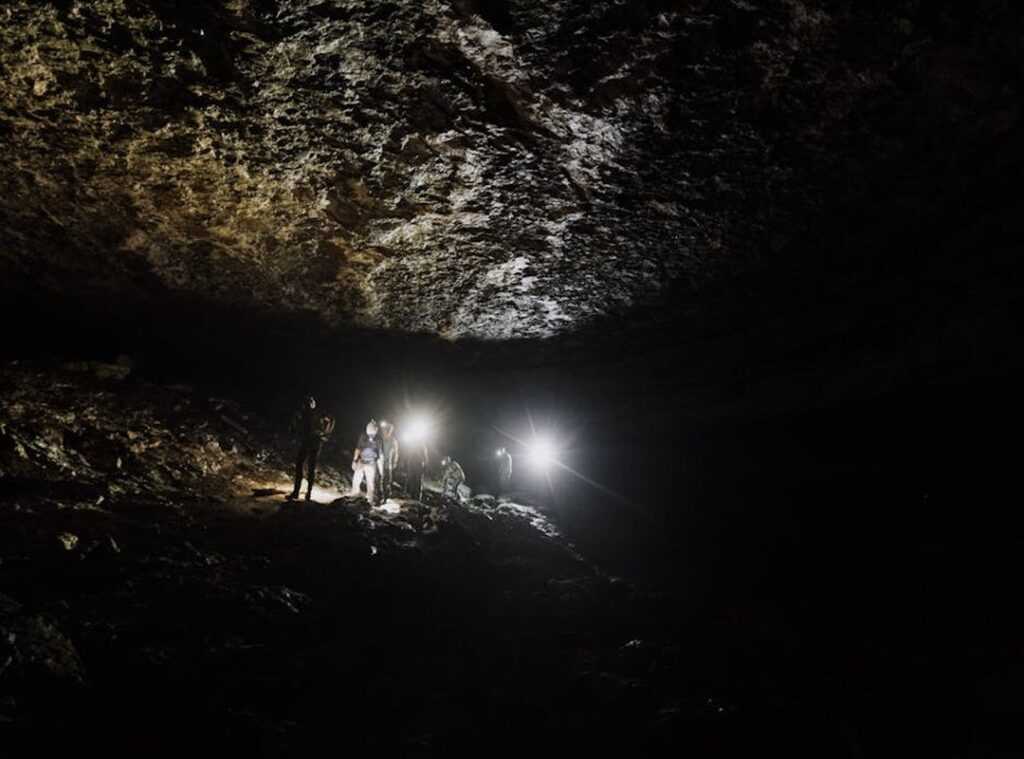
Imagine descending into the earth’s hidden passages. Darkness thickens, air cools, and the thrill of the unknown grips you. But here’s the reality check: below the surface, you’re in a world governed by both written and unwritten rules.
Ignore these, and you might face fines, trespassing charges, or worse, harm the fragile ecosystems that make caves so unique. I’ve been navigating this labyrinth for years, and trust me, knowing the cave exploration legislation is as key as your headlamp or rope.
Why risk it? Every cave, with its own legal and environmental quirks, demands respect and awareness. The underground isn’t just a playground; it’s a protected area.
If you think you’re prepared, ask yourself: do you know all the rules? You should. This guide promises to equip you with the knowledge to explore safely and responsibly.
Stick with me, and your adventures will be thrilling yet respectful, pushing boundaries without breaking them.
Why Regulations Exist: Protecting Fragile, Timeless Worlds
You know, caves aren’t just holes in the ground. They’re fragile, ancient worlds. When I first learned about cave exploration legislation, it wasn’t just about following rules.
It was about stepping into a living museum. Picture this: You touch a speleothem, and bam, you’ve just stopped growth that took thousands of years. It’s mind-blowing, right?
These formations (stalactites) hanging like ancient chandeliers. Are more delicate than you’d think. One wrong move, and you’ve altered history.
And it’s not just the rocks at risk. Unique cave life, like troglobites, depend on the untouched darkness. Disturb them, and you might erase a species that’s thrived here for millennia.
Caves also serve as time capsules. Imagine stumbling upon prehistoric bones or ancient artifacts. Regulations protect these treasures from being looted or accidentally smashed by an unwitting explorer.
It keeps them intact for future generations to study and appreciate.
Then there’s the whole issue of safety and liability. Regulations aren’t just red tape. They also safeguard landowners from lawsuits if some thrill-seeker finds themselves in a jam.
And let’s be honest, not everyone is Bear Grylls. Without rules, amateurs might attempt dangerous explorations, leading to perilous rescue missions. It’s a real risk.
Access isn’t just about personal adventure. It ties into geopolitical changes wilderness access. Who gets to explore?
And under what conditions? These aren’t just questions for policymakers. They’re questions we all need to consider.
Regulations, in short, are our guides to protecting these remarkable, silent worlds.
The Three Realms of Access: Navigating Cave Ownership
to the wild world of cave exploration legislation. It’s not just about wandering into the nearest hole in the ground. Nope, we’re talking about public lands, private lands, and specially protected caves.
Each one has its own rules, and ignoring them can land you in hot water. Or worse, jail.
Public lands like National Forests and BLM areas are often the easiest to access, but they come with their own set of hoops to jump through. You need permits, and not just any permits. We’re talking detailed ones that require group size, experience level, and a gear list.
Why? Because they want to make sure you’re not a liability. Check in and out with ranger stations (they’re not just there for decoration).
And don’t forget about seasonal closures. Bats need their beauty sleep too, especially with White-Nose Syndrome lurking around.
Private lands are where things get tricky. Most caves are on private land, and access isn’t a right. It’s a privilege.
Want in? You better play nice. Use caving organizations.
Like grottos. As intermediaries. They know the ropes.
Respectfully contact landowners and always get explicit, written permission. Liability waivers are non-negotiable. It’s all about mutual respect and responsibility.
Then we have the specially protected caves. Think National Parks and areas covered by the Federal Cave Resources Protection Act of 1988. This isn’t just a mouthful; it’s serious business.
Strict prohibitions mean no defacing, disturbing, or removing anything. Violating these cave laws can lead to felony charges and prison time. Do you really want to risk that for a shiny rock?
So, there you have it. Know the rules, respect the laws, and happy spelunking. Just remember, not all caves are created equal, and neither are the regulations governing them.
The Caver’s Code: Ethics Beyond the Law
When it comes to cave exploration, the legal statutes are just the tip of the iceberg. It’s not enough to just follow the law. We need to dig deeper into the ethics of caving.
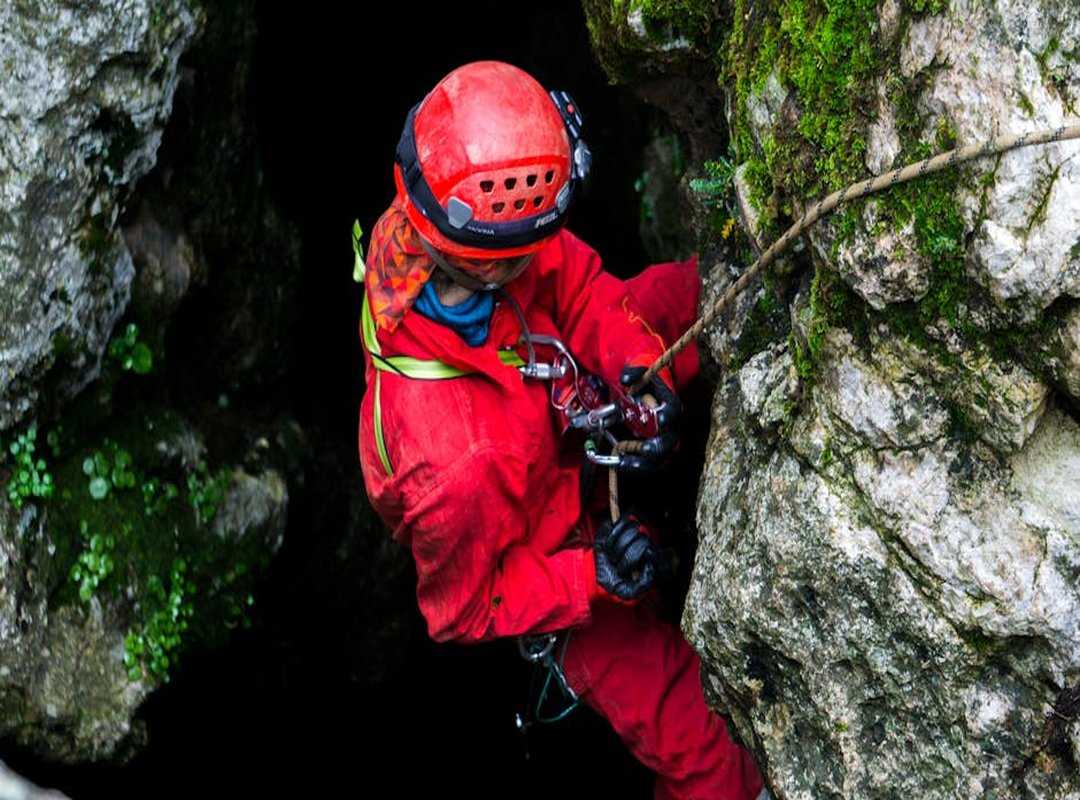
The caver’s motto, “Take nothing but pictures, leave nothing but footprints, kill nothing but time”, is more than just a catchy phrase. It’s a way of life.
Let’s talk about the “Leave No Trace” principles. But adapted for caves. You can’t just leave trash behind or carve out a new path.
You pack out all waste. Including the less glamorous human kind. I mean, do you really want to be that person?
And marking walls? That’s a big no.
Then there’s the “ethic of secrecy” about cave locations. It’s not elitism. It’s about protecting these fragile environments from damage and unprepared visitors.
Sometimes keeping a secret is the most responsible thing we can do.
Safety is another biggie. We all think we’re invincible until we’re not. The ethic of self-sufficiency isn’t just about being tough.
It’s about respect for the volunteer rescue teams who risk their lives. Nobody wants their day ruined by a rescue operation.
And speaking of the future, have you heard about Future Digital Mapping Outdoor Adventures? It’s changing the game for how we interact with caves.
Cave exploration legislation might set the rules, but ethics are where the heart lies. Without them, we risk losing what makes caving truly special. We can do better (shouldn’t) we?
Pre-Descent Prep: Let’s Get You Ready
Does the idea of diving into a cave without a plan scare you, even a little? It should. First, intelligence gathering is key.
I can’t stress this enough. Use county GIS websites or OnX Maps to check land ownership. It’s not as boring as it sounds.
Got ownership sorted? Good. Now, secure permission.
Plus, no one wants to get lost or trespass on private property. Call local agencies like the BLM or National Forest ranger district for guidance.
This part’s simple: get an official permit or written permission from the landowner. Make sure every single member of your group has a copy or a photo. Not just one person.
Safety in numbers, right?
Next, the trip plan (this is huge). Leave your detailed plan with someone who isn’t joining you. Trust me, this is a lifesaver.
Include names, entry time, exit time, and the cave’s exact location. And, of course, contact info for local emergency services or cave rescue. If this sounds over the top, consider this: cave exploration legislation isn’t just about rules, it’s about making sure you come back in one piece.
Stay smart, stay safe, and maybe I’ll see you underground.
The Wild Awaits, Respect It
Exploring caves isn’t just an adventure. It’s a responsibility. You can’t just dive underground without understanding the rules. Cave exploration legislation isn’t a hindrance; it’s your best ally.
Skipping the legal and ethical space? That’s your real danger.
Respecting these guidelines keeps you safe. It protects the landowners and the unseen worlds you’re eager to explore. So what’s next?
Gear up with the right tools and skills. Need help with that? We’ve got you covered.
Head over to lerakutycave.com and get the essentials. Don’t leave your safety to chance. Equip yourself now.
 Trevana Dornhaven writes the kind of outdoor gear maintenance tips content that people actually send to each other. Not because it's flashy or controversial, but because it's the sort of thing where you read it and immediately think of three people who need to see it. Trevana has a talent for identifying the questions that a lot of people have but haven't quite figured out how to articulate yet — and then answering them properly.
They covers a lot of ground: Outdoor Gear Maintenance Tips, Cave Trekking Basics and Survival Skills, Horizon Headlines, and plenty of adjacent territory that doesn't always get treated with the same seriousness. The consistency across all of it is a certain kind of respect for the reader. Trevana doesn't assume people are stupid, and they doesn't assume they know everything either. They writes for someone who is genuinely trying to figure something out — because that's usually who's actually reading. That assumption shapes everything from how they structures an explanation to how much background they includes before getting to the point.
Beyond the practical stuff, there's something in Trevana's writing that reflects a real investment in the subject — not performed enthusiasm, but the kind of sustained interest that produces insight over time. They has been paying attention to outdoor gear maintenance tips long enough that they notices things a more casual observer would miss. That depth shows up in the work in ways that are hard to fake.
Trevana Dornhaven writes the kind of outdoor gear maintenance tips content that people actually send to each other. Not because it's flashy or controversial, but because it's the sort of thing where you read it and immediately think of three people who need to see it. Trevana has a talent for identifying the questions that a lot of people have but haven't quite figured out how to articulate yet — and then answering them properly.
They covers a lot of ground: Outdoor Gear Maintenance Tips, Cave Trekking Basics and Survival Skills, Horizon Headlines, and plenty of adjacent territory that doesn't always get treated with the same seriousness. The consistency across all of it is a certain kind of respect for the reader. Trevana doesn't assume people are stupid, and they doesn't assume they know everything either. They writes for someone who is genuinely trying to figure something out — because that's usually who's actually reading. That assumption shapes everything from how they structures an explanation to how much background they includes before getting to the point.
Beyond the practical stuff, there's something in Trevana's writing that reflects a real investment in the subject — not performed enthusiasm, but the kind of sustained interest that produces insight over time. They has been paying attention to outdoor gear maintenance tips long enough that they notices things a more casual observer would miss. That depth shows up in the work in ways that are hard to fake.