
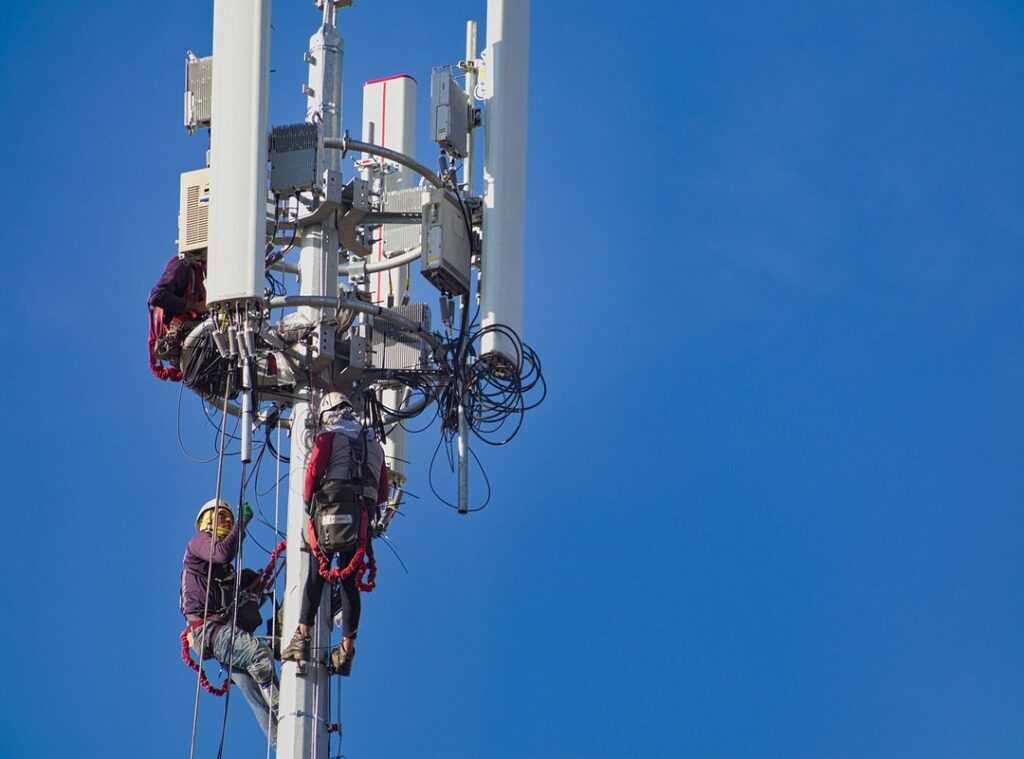
Hanging off a rock face, you trust your gear more than your own muscles. It’s not just equipment. It’s survival.
But let’s be honest, keeping up with maintenance outdoor climbing gear can feel like a chore. Ignore it, though, and you risk both the lifespan of your gear and your safety. I’ve spent years in the wilderness and caves where gear failure isn’t an option.
You learn quickly to respect your tools.
This article? It’s your no-nonsense guide to turning maintenance into a ritual. You’ll get a simple, repeatable system for cleaning, inspecting, and storing your climbing gear.
No more stress about whether your gear will hold up. You’ll walk away with confidence, ready for whatever adventure calls next. Ready to dive in?
Let’s make sure your gear is as reliable as you need it to be.
The Pre-Climb Ritual: Gear Up for Success
Maintenance outdoor climbing gear. Sounds dull, right? But think of it as your first adventure.
It’s not just a chore. It’s a ritual. Like a chef sharpening knives before a big meal.
Or a pilot doing a pre-flight check. You wouldn’t want to be halfway up a mountain only to realize your use isn’t secure. Prepping your gear builds trust in it.
You know it’s ready. So you can focus on the climb, not your tools.
There’s a financial upside too. Gear isn’t cheap. Keep it in good shape, and it’ll last longer.
More money for actual trips, less on replacing stuff. It’s simple math. And let’s be real, who doesn’t want extra cash for that next epic adventure?
If you’re curious about how to care for specific gear, like cave helmets, consider this guide. It’s a quick read.
Pro tip: Make this ritual part of your routine. You’ll climb with more confidence. And isn’t that what adventure is about?
Your Gear Hub: Make Maintenance a Breeze
Setting up a Gear Care Station at home? Smart move. It beats fumbling through random checklists any day.
Let’s get real for a minute. Keeping your climbing gear in top shape isn’t just about convenience. It’s about safety, longevity, and yes, a bit of peace of mind.
Start with the cleaning kit. You need gear-specific soap (or at least something gentle and non-detergent), a soft-bristled brush, and a tub big enough for rope washing. Don’t skimp on the microfiber towel.
It dries your hardware without scratching. Pro tip: clean gear lasts longer.
Now, inspection tools. Ever squinted at your gear wondering if it’s really okay? A headlamp and a small magnifying glass are your best friends.
They help spot those tiny fractures and frayed fibers. Keep a small logbook or app handy. You’ll thank yourself later when tracking gear age and inspection notes doesn’t mean guessing.
Storage is where most people mess up (not you, though). Use breathable bags for ropes and harnesses. Store everything in a cool, dry, dark place.
Avoid chemicals and UV light like the plague. And please, don’t let your gear sit on concrete floors. That’s a no-go.
Everything’s organized now, right? If you’re serious about maintenance outdoor climbing gear, setting up this station isn’t just a chore. It’s a must.
Keeping your gear in tip-top shape is a no-brainer when you love outdoor adventures as much as I do.
The Upkeep Cycle: A Field Guide to Your Core Equipment
When it comes to maintenance outdoor climbing gear, keeping things in top shape isn’t just smart (it’s) survival. Let’s break this down, category by category, because it’s not just about doing it. It’s about doing it right.
Ropes and Soft Goods: You love your climbing rope, right? Well, love means giving it a good wash, by hand or in the machine (on a gentle cycle, please). Whatever you do, avoid direct sunlight when air-drying. Why risk degrading the fibers? Check for flat spots and excessive fuzziness. Did you find a core shot? Time to retire it. No questions asked.
Your Use: A use is your lifeline. I can’t stress enough the need for regular inspections. Check those load-bearing points and the belay loop. Are the buckles functioning smoothly? A use isn’t for eternity. It’s not just about visible damage either. Age and wear dictate retirement. So, don’t get attached.
Carabiners and Hard Goods: A clean carabiner is a happy carabiner. Use compressed air and a small brush to evict grit from the gates. But when should you add a drop of lube? Only when the gates feel sticky, never just because. Look for sharp edges from rope wear. Cracks from being dropped are a no-go. And if the gate action isn’t smooth, take it out of rotation.
Climbing Shoes: Ever heard of boot bananas? These little gems can deodorize shoes, keeping them fresh. It’s about prolonging, not just masking odors. Clean shoes last longer, obviously. But when do you resole versus buy new? If the rubber’s thin but the shoe’s solid, resole. If everything’s falling apart, time for a new pair. No contest.
Now, let’s talk about the bigger picture (without losing focus on the small stuff). While ropes and harnesses get the spotlight, don’t forget the silent heroes like backpacks. You can’t afford to let those slide either.
Check out extending lifespan backpacks for tips on keeping your packs trail-ready.
Each piece of gear has its unique quirks. It’s not just about cleaning or replacing. It’s about knowing your equipment inside out.
That’s the real secret (being) detail-oriented. In the end, this isn’t just routine work. It’s what sets the pros apart from the amateurs.
So, are you ready to look after your gear like a pro? Go on, get out there, and keep climbing. But remember, take care of your stuff, and it will take care of you.
The Tough Goodbye: Retiring Gear for Safety
Letting go of gear might be the hardest call for any seasoned adventurer. I get it. It might still look perfectly fine, but should you trust it?
When it comes to maintenance outdoor climbing gear, trust me: safety is non-negotiable.
For soft goods like ropes and harnesses, you need to be ruthless. A major fall? Out.
Visible core damage or chemical exposure? Out again. Even if it looks good but has hit the 5-10 year mark as suggested by the manufacturer, it’s time to say goodbye.
It’s all about choosing life over nostalgia.
Hard goods have their own checklist. Drop something from a significant height? Check it.
Any cracks or deformed parts? You can’t ignore those. If the gate or any moving part acts up, it’s done.
We can’t risk it out there.
Whenever you hesitate, remember the mantra: when in doubt, throw it out. It may sound harsh, but it’s your life on the line. Think of it like this: no piece of equipment is worth more than your safety.
Ask yourself, is it worth the risk? Because to me, the answer is always no.
Secure Your Next Climb
You’re no longer guessing or hoping your gear holds up. We’ve tackled that uncertainty. With a solid system for maintenance outdoor climbing gear, you’ve got the confidence to climb without fear.
This isn’t just about preserving equipment; it’s about elevating every ascent with certainty and safety.
Why risk it when you can trust your gear? Now that your gear is dialed and your mind is clear, plan that next big adventure. It’s time to experience the thrill without the worry.
Get started, and see why countless climbers trust this approach for every climb.
 Janice Martinezelous has opinions about cave navigation and terrain analysis. Informed ones, backed by real experience — but opinions nonetheless, and they doesn't try to disguise them as neutral observation. They thinks a lot of what gets written about Cave Navigation and Terrain Analysis, Cave Trekking Basics and Survival Skills, Horizon Headlines is either too cautious to be useful or too confident to be credible, and they's work tends to sit deliberately in the space between those two failure modes.
Reading Janice's pieces, you get the sense of someone who has thought about this stuff seriously and arrived at actual conclusions — not just collected a range of perspectives and declined to pick one. That can be uncomfortable when they lands on something you disagree with. It's also why the writing is worth engaging with. Janice isn't interested in telling people what they want to hear. They is interested in telling them what they actually thinks, with enough reasoning behind it that you can push back if you want to. That kind of intellectual honesty is rarer than it should be.
What Janice is best at is the moment when a familiar topic reveals something unexpected — when the conventional wisdom turns out to be slightly off, or when a small shift in framing changes everything. They finds those moments consistently, which is why they's work tends to generate real discussion rather than just passive agreement.
Janice Martinezelous has opinions about cave navigation and terrain analysis. Informed ones, backed by real experience — but opinions nonetheless, and they doesn't try to disguise them as neutral observation. They thinks a lot of what gets written about Cave Navigation and Terrain Analysis, Cave Trekking Basics and Survival Skills, Horizon Headlines is either too cautious to be useful or too confident to be credible, and they's work tends to sit deliberately in the space between those two failure modes.
Reading Janice's pieces, you get the sense of someone who has thought about this stuff seriously and arrived at actual conclusions — not just collected a range of perspectives and declined to pick one. That can be uncomfortable when they lands on something you disagree with. It's also why the writing is worth engaging with. Janice isn't interested in telling people what they want to hear. They is interested in telling them what they actually thinks, with enough reasoning behind it that you can push back if you want to. That kind of intellectual honesty is rarer than it should be.
What Janice is best at is the moment when a familiar topic reveals something unexpected — when the conventional wisdom turns out to be slightly off, or when a small shift in framing changes everything. They finds those moments consistently, which is why they's work tends to generate real discussion rather than just passive agreement.