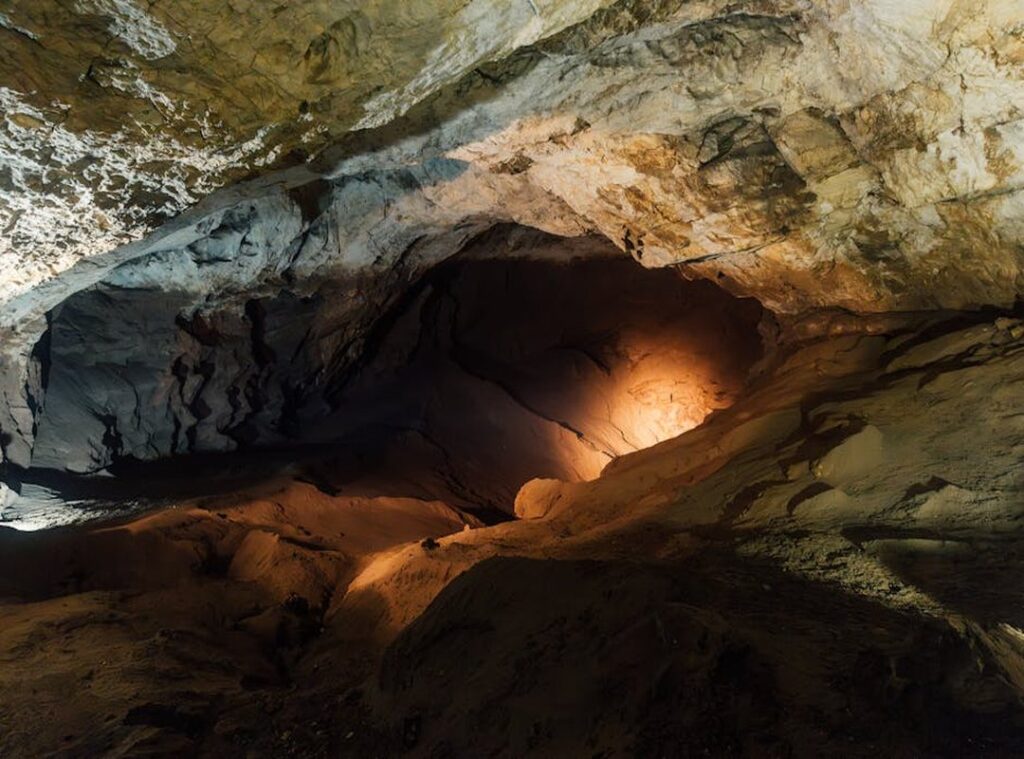
Ever tried photographing caves only to end up with blurry, dark shots? You’re not alone. Cave photography techniques can be tricky, right? I get it!
Capturing the essence of a cave’s beauty isn’t just about pointing and shooting. It’s about understanding the light (or lack of it), the terrain, and the unique challenges of shooting in such a demanding environment.
But don’t worry; this isn’t your average guide. It’s packed with practical advice from seasoned explorers and photographers who’ve faced the same issues. They’ve navigated caves, dodged pitfalls, and discovered what works.
Do you need expensive gear? Not necessarily. But you do need to know how to use what you’ve got.
I’ll tell you what to do when the flash just won’t cut it.
By the end of this, you’ll have the confidence and skills to turn your cave photos from dull to dazzling. Ready to dive in? Let’s go!
Gearing Up for the Underworld: Your Important Photo Kit
When it comes to cave photography, the right gear isn’t just about snapping pretty pictures. It’s about control and durability. So First, the camera.
You want a DSLR or mirrorless camera. Why? Because you need manual control.
Those point-and-shoots or smartphones? They struggle in low-light settings. And for lenses, a wide-angle (like 14-24mm) is your best friend for capturing those vast caverns.
Tripods are non-negotiable. Long exposures demand it. But don’t lug around a monster.
Find something sturdy yet lightweight. You’ll thank yourself when you’re setting up on uneven ground.
Lighting is everything in cave photography. An on-camera flash? Useless.
You’ll need off-camera flashes or speedlights. LED panels are a must too. And a reliable headlamp?
Important for both navigating and light painting.
Now, protection and power. Extra batteries are key (cold drains them fast). Toss in lens cloths to combat moisture.
A small dry bag protects your gear from drips and humidity.
Cave photography techniques aren’t just about the shot. They’re about safety and preparation. But don’t forget why you’re there.
While you’re busy capturing these scenes, remember the ancient myths legends surrounding caves. They add a layer of mystery to your adventure.
Pro tip: Always double-check your gear before heading underground. Forgetting something important can ruin the whole experience. So gear up right, and let the underworld reveal its secrets.
Mastering the Darkness: Core Camera Settings for Caves
When it comes to cave photography, you’re not just taking pictures; you’re in a battle against the dark. Cameras love to make decisions for you, but in caves, you need to take charge. Embrace Manual Mode. Forget aperture priority or shutter priority.
They just won’t cut it when everything’s pitch black.
Aperture matters. You want a narrow one, like f/8 to f/16. Why?
It gives you a deep depth of field, so everything from the stalactites at your feet to the distant walls is sharp. Trust me, it’s worth it.
Keep your ISO low. 100 to 400. High ISO means more digital noise, and I’m guessing you don’t want your photos looking like a grainy old TV screen. Low ISO equals cleaner, crisper images.
Simple as that.
Shutter speed is your new best friend. It’s gonna be long. I mean really long.
We’re talking 5 to 30 seconds, or even longer if you dare to use ‘Bulb’ mode. A tripod is non-negotiable here. Without it, you’re just asking for a blurry mess.
Focusing in the dark? That’s the real challenge. Here’s a trick: switch to manual focus.
Shine a bright light on your subject. Use your camera’s live view to zoom in and fine-tune the focus. Then, for heaven’s sake, don’t touch that focus ring again.
You do, and you’re back to square one.
Want more cave photography techniques? Dive deeper into the art with guides and tips from those who’ve been there. Because let’s be honest, mastering this art takes more than just knowing where the buttons are.
It’s about understanding light (or) the lack of it (and) commanding your camera like a pro.
Painting with Light: Mastering Brightness in Caves
Cave photography isn’t just snapping pictures in the dark. It’s about transforming shadows into stories with creative illumination techniques. You ever wonder how some shots look like magic?
It’s all about how we use light.
Let’s start simple: off-camera flash. Ever tried it? I hold a flash at a 45-degree angle to the subject.
This creates something called ‘sidelighting.’ Sidelighting’s great for texture. It reveals details you’d otherwise miss. Suddenly, that rock formation isn’t just a rock.
It’s art.
For more drama, consider multi-flash setups. This is where it gets interesting. Use one flash for the main subject.
Then, place another behind it. This ‘backlight’ creates a glowing rim of light. It’s like the subject is stepping out of the shadows.
Perfect for adding depth to your cave photography techniques.
Looking for something more artistic? Try light painting. Open the shutter for a long exposure, say 30 seconds.
Use a flashlight or headlamp to ‘paint’ across the scene. The key is broad, even strokes (think of it like coloring in a giant coloring book). It’s not a technique for the impatient.
But the results? Stunning.
And what about adding a human element? It’s simple. Ask someone to stand perfectly still during the exposure.
Use a quick, low-power flash pop. This illuminates them without overpowering the scene. It adds scale and a sense of adventure.
Interested in learning more? Check out this interview with a veteran cave explorer. Their takeaways can take your cave photography to new depths (pun very much intended).
So, what are you waiting for? Grab your gear and start experimenting. Light is your brush; the cave, your canvas.
The Caving Photographer’s Code: Safety and Conservation
When it comes to cave photography techniques, safety is paramount. You might think getting that perfect shot is the goal, but it’s not. Rule #1: Never cave alone.
Always have a buddy who knows their way around the dark. You don’t want to be the guy who gets lost in a cave because you were too busy with your camera.
And let’s talk about footing. Ever tried to balance while looking through a viewfinder? It’s tricky.
Make sure your gear is secure so it doesn’t turn into a tripping hazard. Trust me, one slip and you’re not just in trouble. You could ruin the cave too.
Leave No Trace Principles are key. Don’t touch those delicate cave formations. Your oils will damage them.
Stick to the paths, and for heaven’s sake, pack out everything you bring in (yes, even the dead batteries). Avoid kicking up mud or dust. is it messy, but it also disrupts the natural environment.
Remember, the cave’s preservation should always come before any photograph. That picture isn’t worth a damaged space. Respect the space.
Explore the Unseen Depths
Capturing the true majesty of a cave is no easy task. You’ve now got a complete toolkit of cave photography techniques. You’ve learned the gear, settings, and lighting needed.
It’s all about taking manual control and respecting these fragile environments.
Ready to dive in? Get out there and explore. Practice these techniques and let the unseen beauty beneath our feet shine.
Don’t let these hidden worlds stay in the dark.
Share your discoveries and inspire others. The world needs to see what lies beneath. Transform your passion into stunning images.
Start your adventure today.
 Geristober Quevedo writes the kind of cave navigation and terrain analysis content that people actually send to each other. Not because it's flashy or controversial, but because it's the sort of thing where you read it and immediately think of three people who need to see it. Geristober has a talent for identifying the questions that a lot of people have but haven't quite figured out how to articulate yet — and then answering them properly.
They covers a lot of ground: Cave Navigation and Terrain Analysis, Cave Trekking Basics and Survival Skills, Horizon Headlines, and plenty of adjacent territory that doesn't always get treated with the same seriousness. The consistency across all of it is a certain kind of respect for the reader. Geristober doesn't assume people are stupid, and they doesn't assume they know everything either. They writes for someone who is genuinely trying to figure something out — because that's usually who's actually reading. That assumption shapes everything from how they structures an explanation to how much background they includes before getting to the point.
Beyond the practical stuff, there's something in Geristober's writing that reflects a real investment in the subject — not performed enthusiasm, but the kind of sustained interest that produces insight over time. They has been paying attention to cave navigation and terrain analysis long enough that they notices things a more casual observer would miss. That depth shows up in the work in ways that are hard to fake.
Geristober Quevedo writes the kind of cave navigation and terrain analysis content that people actually send to each other. Not because it's flashy or controversial, but because it's the sort of thing where you read it and immediately think of three people who need to see it. Geristober has a talent for identifying the questions that a lot of people have but haven't quite figured out how to articulate yet — and then answering them properly.
They covers a lot of ground: Cave Navigation and Terrain Analysis, Cave Trekking Basics and Survival Skills, Horizon Headlines, and plenty of adjacent territory that doesn't always get treated with the same seriousness. The consistency across all of it is a certain kind of respect for the reader. Geristober doesn't assume people are stupid, and they doesn't assume they know everything either. They writes for someone who is genuinely trying to figure something out — because that's usually who's actually reading. That assumption shapes everything from how they structures an explanation to how much background they includes before getting to the point.
Beyond the practical stuff, there's something in Geristober's writing that reflects a real investment in the subject — not performed enthusiasm, but the kind of sustained interest that produces insight over time. They has been paying attention to cave navigation and terrain analysis long enough that they notices things a more casual observer would miss. That depth shows up in the work in ways that are hard to fake.