

Imagine standing in pitch darkness, where the only sound is a solitary drop of water echoing through an ancient void. Thrilling, isn’t it? Yet, exploring the Earth’s hidden depths isn’t just about adrenaline.
It’s about facing the unknown, where curiosity fights against the fear of what lurks below.
I’ve spent years navigating these hidden cave networks, pushing boundaries but always with safety in mind. Let’s be honest: caving demands respect and skill. Does the thought of getting lost down there keep you up at night?
I’m here to guide you beyond definitions, into the heart of the subterranean world. You’ll learn to get through these awe-inspiring networks with confidence and caution. This isn’t just another guide; it’s your ticket to unlocking nature’s underground secrets safely.
Ready to explore?
The Underworld Unveiled: Discovering Cave Networks
You ever thought about caves as more than just dark holes in the ground? They’re not just isolated chambers or single rooms; they’re hidden cave networks that twist and turn like the veins of a body or the roots of a tree (don’t lose your way!). These interconnected passages are what make a cave a “system.”
Let’s dive into the types. Solutional caves? They’re the classics, carved by water dissolving rock.
Lava tubes, on the other hand, form when molten lava creates a hollow path. Sea caves get shaped by constant waves crashing over time. Each has a personality and a story to tell.
When you’re down there, you gotta read the terrain. You’ll see speleothems (those) are the stalactites and stalagmites hanging out like they’re in some gothic cathedral. You’ll encounter sumps (flooded sections) and squeezes (tight spots that test your flexibility).
It’s not about just looking; it’s about understanding these geological features.
Caves are alive, changing with each drop of water, each tick of time. They’re changing, constantly being sculpted by nature. That’s the wild part that keeps them untamed.
Want more on this wild world? Check out this guide to Lerakuty’s unique wildlife. It’s a wild place down there.
Literally. And you might find yourself redefining adventure itself.
Legendary Labyrinths: Earth’s Most Extreme Cave Systems
Ever wondered about the hidden cave networks that lurk beneath our feet? Let me take you on a wild tour of some of the most extreme cave systems that push the boundaries of exploration.
First up, Mammoth Cave in the USA. This behemoth isn’t just about size, though its sheer scale is mind-blowing. We’re talking over 400 miles of explored passages.
And that’s just what’s been mapped. Imagine walking through a labyrinth with no end in sight. The history here is rich too.
Early explorers had nothing but torches and guts. And it’s still revealing secrets. Every twist and turn is a reminder of nature’s raw power.
Next, to Sistema Sac Actun in Mexico. It’s the world’s longest underwater cave system. Picture this: crystal-clear water, detailed limestone formations, and a maze that challenges even the most skilled divers.
This place is a diver’s dream and nightmare rolled into one. You can’t just wander in. It demands respect and technical prowess.
Exploring it is like floating through another world, an ethereal beauty that seems almost unreal. But don’t be fooled. It’s a test of endurance and skill.
Then there’s Hang Son Doong in Vietnam, the cave that redefines colossal. Imagine a chamber so vast it has its own jungle and weather system. That’s right.
You can literally walk through clouds inside this beast. It’s a reminder of how small we are in the grand scheme of things. Exploring it isn’t just about adventure.
It’s a humbling experience. The sheer size and the echoes of your footsteps make you feel like you’re in a sci-fi movie.
And if you’re intrigued by what lies beneath, check out 51 2f38b057 6970 46af a9e9 c145b62d56b5. You’ll get a glimpse into the world of caving right here in the U.S. These hidden realms are more than just caves.
They’re gateways to another world, waiting for those brave enough to explore.
Caving Essentials: The Non-Negotiables
Let’s get real about cave exploration. You can’t skimp on the Holy Trinity of caving gear: light, helmet, and footwear. These aren’t fashion choices (they’re) lifesavers.
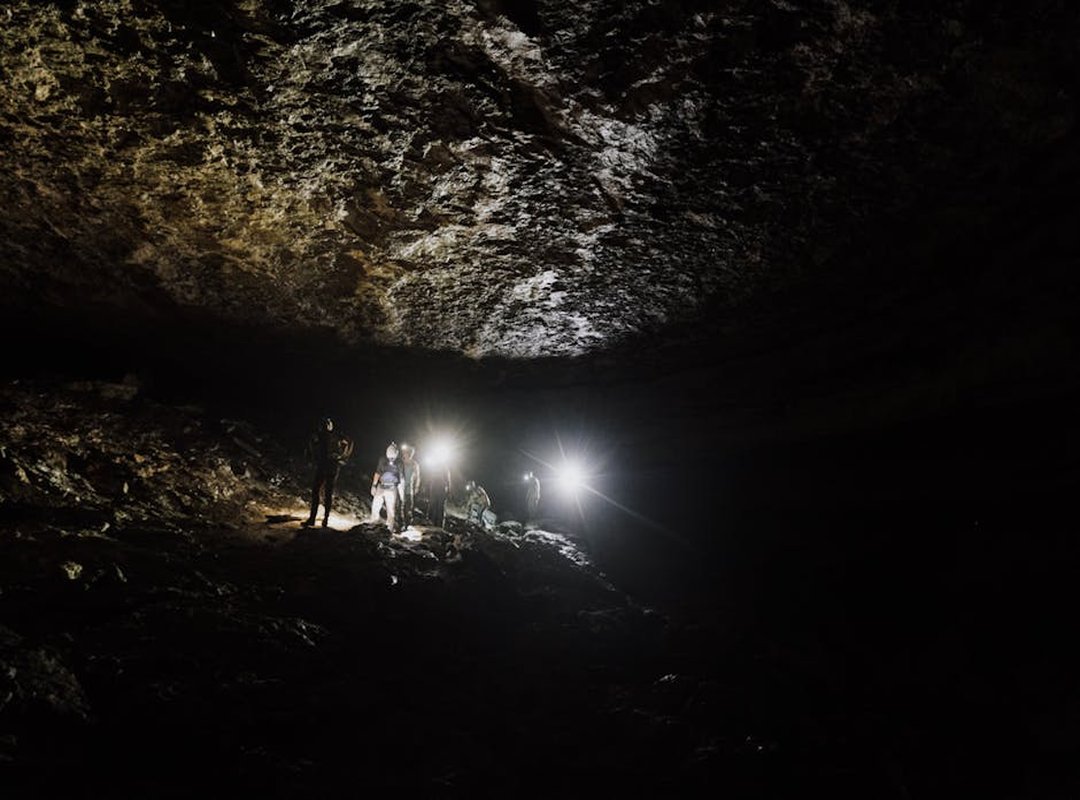
Imagine stumbling through a hidden cave network without proper light. It’s not just inconvenient; it’s dangerous.
Now, here’s a nugget of truth. When I was deep in a cave, my primary headlamp died. Total darkness.
Luckily, I had a backup and an emergency light. Redundant light sources are key. Always pack a primary headlamp, a backup, and a third light.
It’s not overkill; it’s survival.
Helmets are another must. You might think you’re careful, but underground, anything can happen. A rock fall, a low ceiling (or your own clumsiness) can knock you out cold.
Helmets protect your most valuable asset: your brain.
Footwear is your foundation. Your feet grip the earth, and you can’t afford to slip. Good boots give you stability and protect from sharp rocks.
Trust me, ankle support makes all the difference in sketchy terrain.
Vertical vs. Horizontal Gear
Both require skill, but the gear varies.
Vertical caving demands specialized gear. Harnesses, ropes, ascenders, and descenders transform technical climbing into a safer endeavor. In contrast, horizontal treks focus on endurance and navigation.
Modern navigation tech like GPS? Handy above ground but forget it inside caves. GPS fails underground.
Analog skills like surveying and mapping remain indispensable. They keep you oriented when tech lets you down. For more on adapting to cave conditions, check out understanding lerakutys seasonal cave changes.
You need to be prepared. Are you?
Surviving the Squeeze: Skills for Cave Navigation & Safety
Let’s start with the basics: never explore alone. Sounds obvious, right? But you’d be surprised how many thrill-seekers think they’re invincible.
Always tell someone your plan. Trust me, it’s not just for amateurs. Experienced cavers follow this rule too.
Navigating hidden cave networks is no joke. You need skills. Mark junctions (chalk, string, whatever works).
Pay attention to water flow and air drafts. These are your underground GPS. And yes, always carry a compass.
I know, old school, but it’s reliable when your phone battery fails.
Now, terrain analysis might sound fancy, but it’s key. Assess rock stability. Look out for potential flood zones.
If you see watermarks high up, you know what that means. Recognize signs of dangerous gases, even if they’re rare. Methane doesn’t play nice.
Let’s talk survival skills. Conserve your light and energy. Sounds easy, but panic drains both fast.
Stay warm. Hypothermia in a cave is a real threat. And if you get disoriented?
Signal for help. Three short blasts on a whistle is the universal distress call. Simple, but lifesaving.
Pro tip: practice these skills above ground first. It’s not just about being prepared. It’s about building trust with yourself and your team.
You don’t want to be the one everyone’s waiting on when things get tight (literally).
Caving isn’t just a hobby. It’s an adventure with real risks. Respect the cave, respect yourself, and you’ll come out on top.
Dive Deeper into the Darkness
I’ve taken you from the anatomy of caves to the gear needed to explore them safely. But the hidden cave networks are more than just rock and darkness. They’re a test of your curiosity, balanced by the need for preparation and respect.
You know this now. You’ve got the foundation.
Still curious?
Keep exploring. Head to lerakutycave.com for more on caving basics and survival skills. Learn from the best.
You’ll find guides who know these dark corridors like the back of their hand. Your journey doesn’t end here. Dive deeper.
Grab the knowledge. Seek adventure. Ready?
 Trevana Dornhaven writes the kind of outdoor gear maintenance tips content that people actually send to each other. Not because it's flashy or controversial, but because it's the sort of thing where you read it and immediately think of three people who need to see it. Trevana has a talent for identifying the questions that a lot of people have but haven't quite figured out how to articulate yet — and then answering them properly.
They covers a lot of ground: Outdoor Gear Maintenance Tips, Cave Trekking Basics and Survival Skills, Horizon Headlines, and plenty of adjacent territory that doesn't always get treated with the same seriousness. The consistency across all of it is a certain kind of respect for the reader. Trevana doesn't assume people are stupid, and they doesn't assume they know everything either. They writes for someone who is genuinely trying to figure something out — because that's usually who's actually reading. That assumption shapes everything from how they structures an explanation to how much background they includes before getting to the point.
Beyond the practical stuff, there's something in Trevana's writing that reflects a real investment in the subject — not performed enthusiasm, but the kind of sustained interest that produces insight over time. They has been paying attention to outdoor gear maintenance tips long enough that they notices things a more casual observer would miss. That depth shows up in the work in ways that are hard to fake.
Trevana Dornhaven writes the kind of outdoor gear maintenance tips content that people actually send to each other. Not because it's flashy or controversial, but because it's the sort of thing where you read it and immediately think of three people who need to see it. Trevana has a talent for identifying the questions that a lot of people have but haven't quite figured out how to articulate yet — and then answering them properly.
They covers a lot of ground: Outdoor Gear Maintenance Tips, Cave Trekking Basics and Survival Skills, Horizon Headlines, and plenty of adjacent territory that doesn't always get treated with the same seriousness. The consistency across all of it is a certain kind of respect for the reader. Trevana doesn't assume people are stupid, and they doesn't assume they know everything either. They writes for someone who is genuinely trying to figure something out — because that's usually who's actually reading. That assumption shapes everything from how they structures an explanation to how much background they includes before getting to the point.
Beyond the practical stuff, there's something in Trevana's writing that reflects a real investment in the subject — not performed enthusiasm, but the kind of sustained interest that produces insight over time. They has been paying attention to outdoor gear maintenance tips long enough that they notices things a more casual observer would miss. That depth shows up in the work in ways that are hard to fake.