
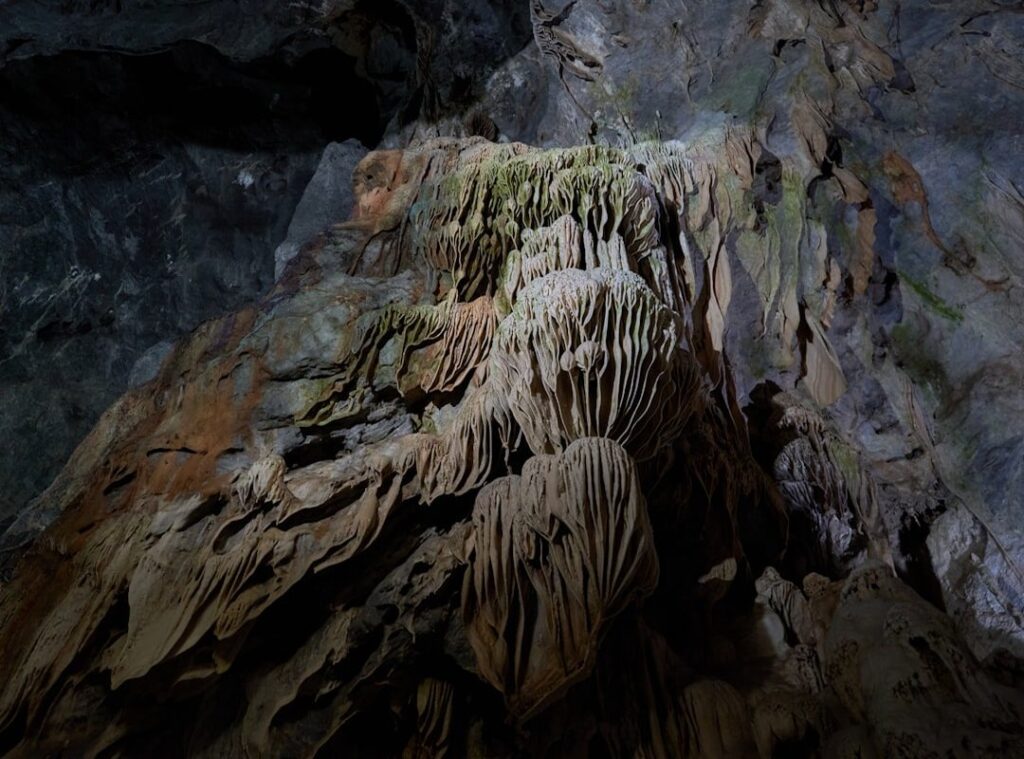
Imagine stepping into a cave for the first time. The silence hits you. It’s like the world outside just vanished.
The air is cool, and those alien-like formations? They tell stories, if you know how to read them. This isn’t just another list of rocks.
We’re diving deep into science cave formations. Why trust me? Years of getting muddy in these underground marvels have taught me more than any book ever could.
I’ve trekked, crawled, and climbed through some of the world’s most complex cave systems. In this article, you’ll get a guide to understanding the language of natural cave structures. It’s about transforming mysterious holes into living landscapes.
Ready to see caves differently? By the end, you’ll have the knowledge to interpret these natural wonders like a seasoned explorer.
The Hidden Artists: How Caves Take Shape
Ever wondered how caves come to exist? It’s an incredible process. to the world of science cave formations. Imagine water as an artist, slowly coaxing a masterpiece from stone.
Over thousands, even millions of years, water infused with carbonic acid seeps into limestone, carving out vast caverns. This acid forms when rainwater absorbs carbon dioxide from the air and soil. It’s a weak acid, but given enough time, it’s constant, wearing away rock with patience (like a meticulous sculptor who’s in no rush).
Why does this happen, you ask? Limestone is a soft rock, easily dissolved by carbonic acid. This natural reaction between rock and water is the most common way solutional caves form.
It’s fascinating how something so gentle can create something so awe-inspiring. These caves become vast underground worlds, hidden from our everyday view but waiting to be explored.
But not all caves are formed this way. Some are born in fire. Volcanic caves, or lava tubes, form as molten lava flows, then cools and hardens, leaving hollow tubes.
Others are created through the drama of shifting Earth. Tectonic caves emerge from movements in the Earth’s crust (a more violent act).
The timescale is mind-boggling. These processes unfold over epochs, completely indifferent to human timelines. If you’re intrigued by the wild beauty of caves and are searching for uncommon caving destinations to explore, remember this: every cave is a nature’s incredible patience and power.
They are not just holes in the ground; they are artworks, crafted by the earth itself.
Cave Craft: Speleothem Secrets Unveiled
Stalactites and stalagmites are the bread and butter of cave formations. If you’re in a cave, you’re staring at these beauties. Stalactites hang from the ceiling, gripping tight (like a determined cat on a curtain).
Stalagmites, on the other hand, rise from the ground. They form through a simple dance of water drips, leaving behind tiny deposits of minerals.
Trekker’s Tip: Watch for active drips. If you see them, the cave’s alive and kicking! And heads up (the) ground below might be a slippery mess.
Columns take the spotlight when stalactites and stalagmites meet in an eternal embrace. These pillars are a time (and patience). They don’t just pop up overnight.
It takes eons for these formations to unite, marking areas of a cave that have stood stable for ages.
Trekker’s Tip: Spotting a column means you’re in a rock-solid part of the cave. Literally.
Flowstone and draperies are the silent poets of the cave world. Imagine sheets of calcite flowing like waterfalls frozen in time. They spread across cave walls, creating stunning stone tapestries.
Flowstone can be polished or unpolished.
Trekker’s Tip: Polished flowstone? Treacherous! Walk carefully. Opt for those unpolished areas if you need a better grip. Use your eyes and feet wisely.
Soda straws are the delicate divas of the cave. These are thin, hollow stalactites that demand respect. They’re fragile (like,) blink and they shatter fragile.
Seeing them intact means you’re either in a less-trafficked cave or a well-preserved spot.
Trekker’s Tip: Whatever you do, don’t touch. A careless finger can erase centuries of nature’s work.
Wanna know more about these geological wonders? Dive deeper into the world of science cave formations. It’s a rabbit hole worth exploring.
Caves are mysterious, aren’t they? There’s a whole underworld beneath our feet, slowly shaping itself over millennia. When you step into a cave, you’re not just looking at rocks (you’re) witnessing history.
Whether it’s the dripping stalactites or the sturdy columns, these formations tell stories older than you can imagine. And getting to know them? That’s the thrill.
The best way to learn is to get out there and explore. Just remember to tread lightly and let the cave speak for itself.
Treasures of the Deep: Uncovering Rare and Bizarre Structures
Ever heard of helictites? These twisted formations defy gravity’s pull, dancing in bizarre directions like nature’s abstract sculptures. It’s all about capillary action overpowering gravity.

A neat trick if you ask me. Who knew science cave formations could be so wild?
Then there are cave pearls, or oolites. These polished spheres form as water drips over them, rolling them around in a shallow pool. It’s like oysters creating pearls, but at a snail’s pace, on a geological timescale.
Imagine that: a treasure chest only nature can open up.
Now, let’s talk about boxwork. Picture a honeycomb made of calcite fins. Only found in a few caves worldwide.
Frostwork takes fragility to a whole new level. These needle-like aragonite formations are as delicate as they are beautiful. It’s a “look, don’t touch” situation.
It’s a rare gem for explorers with a keen eye. You won’t stumble upon these often, but when you do, it’s like finding a secret within the earth itself.
A gentle breeze could shatter these detailed designs, which tells you something about the care and respect caves demand from us.
Caves are full of marvels. They hide stories, secrets, and even ancient myths legends surrounding caves. Next time you find yourself underground, remember: you’re not just exploring rock and dirt.
You’re unlocking nature’s mysteries, one formation at a time. So why not dig a little deeper—literally (and) see where the journey takes you?
Reading the Cave: Survival Secrets Beneath the Surface
When you’re in the depths of a cave, you need every edge you can get. Science cave formations offer clues to survival. Take broken stalagmites for instance. They’re not just spooky stalactite graveyards.
They might mean the ceiling once gave way. So, your gut says “be careful,” and it’s right.
Water lines tell another story. Ever seen streaks on the flowstone? Those lines are like a history book of floods.
Setting up camp? Think twice if you see those. Flood history means potential danger.
Trust me, it’s no fun waking up to a flash flood.
Let’s talk about helictites. These delicate formations are more than pretty decorations. They twist and turn, hinting at air currents.
Air currents can show you hidden passages or exits. It’s like following breadcrumbs in a fairytale, except your life might depend on it.
This isn’t just science. Knowing these structures is key. Caving is thrilling but risky.
Understanding formations? It’s a matter of making it out safely. Next time you’re spelunking, remember: reading the cave might just save your skin.
How’s that for practical geology?
Dive Into the Depths
So, you want more than just a stroll through darkness? Understanding science cave formations isn’t just fascinating. It’s key.
These secrets turn you from a passive tourist into an explorer who appreciates beauty and respects risks. Why get lost in a cavern when you can master it? Dive deeper into safe caving techniques. lerakutycave.com is where your real journey starts.
Equip yourself with knowledge. Explore responsibly. You ready?
Start learning and let the underground world reveal its mysteries.
 Trevana Dornhaven writes the kind of outdoor gear maintenance tips content that people actually send to each other. Not because it's flashy or controversial, but because it's the sort of thing where you read it and immediately think of three people who need to see it. Trevana has a talent for identifying the questions that a lot of people have but haven't quite figured out how to articulate yet — and then answering them properly.
They covers a lot of ground: Outdoor Gear Maintenance Tips, Cave Trekking Basics and Survival Skills, Horizon Headlines, and plenty of adjacent territory that doesn't always get treated with the same seriousness. The consistency across all of it is a certain kind of respect for the reader. Trevana doesn't assume people are stupid, and they doesn't assume they know everything either. They writes for someone who is genuinely trying to figure something out — because that's usually who's actually reading. That assumption shapes everything from how they structures an explanation to how much background they includes before getting to the point.
Beyond the practical stuff, there's something in Trevana's writing that reflects a real investment in the subject — not performed enthusiasm, but the kind of sustained interest that produces insight over time. They has been paying attention to outdoor gear maintenance tips long enough that they notices things a more casual observer would miss. That depth shows up in the work in ways that are hard to fake.
Trevana Dornhaven writes the kind of outdoor gear maintenance tips content that people actually send to each other. Not because it's flashy or controversial, but because it's the sort of thing where you read it and immediately think of three people who need to see it. Trevana has a talent for identifying the questions that a lot of people have but haven't quite figured out how to articulate yet — and then answering them properly.
They covers a lot of ground: Outdoor Gear Maintenance Tips, Cave Trekking Basics and Survival Skills, Horizon Headlines, and plenty of adjacent territory that doesn't always get treated with the same seriousness. The consistency across all of it is a certain kind of respect for the reader. Trevana doesn't assume people are stupid, and they doesn't assume they know everything either. They writes for someone who is genuinely trying to figure something out — because that's usually who's actually reading. That assumption shapes everything from how they structures an explanation to how much background they includes before getting to the point.
Beyond the practical stuff, there's something in Trevana's writing that reflects a real investment in the subject — not performed enthusiasm, but the kind of sustained interest that produces insight over time. They has been paying attention to outdoor gear maintenance tips long enough that they notices things a more casual observer would miss. That depth shows up in the work in ways that are hard to fake.